

Brazilian Sugar, Corn, Soy & Grains for Middle East Importers
Kolash Group connects GCC, Levant, Egypt and Türkiye buyers with verified Brazilian supply — shipped from Santos and Paranaguá to Jebel Ali
Can Middle East importers buy commodities directly from Brazil?
Yes. Brazil is one of the Arab world’s largest food suppliers. Importers in the UAE, Saudi Arabia, Egypt, Qatar, Kuwait, Oman, Bahrain, Iraq, Jordan and Türkiye buy Brazilian sugar, corn, soybeans, soybean meal, rice, coffee, orange juice and vegetable oils on FOB, CFR or CIF terms, typically shipped from Santos or Paranaguá in bulk vessels or containers.
Kolash Group, based in São Paulo, coordinates sourcing, contracts, inspection, documentation and shipment so your cargo arrives at your nominated Middle East port as agreed.
- 1
Biggest buyers (2025): UAE US$ 3.78bn, Egypt US$ 3.73bn, Saudi Arabia US$ 3.13bn of Brazilian goods.
- 2
Top commodity: sugar (US$ 4.63bn), feeding refineries, bakeries and beverage plants across the region.
- 3
Fastest riser: corn, up 24.9% in 2025 as feed mills and poultry integrators diversify origin.
- 4
Typical sea transit: roughly 3–5 weeks Santos → Gulf, depending on port, route and vessel.
- 5
Trade terms: FOB, CFR and CIF; documents can be legalised for Arab markets where required.
From Brazil’s Ports to Your Gulf Berth
Tap a destination port to see the route, indicative transit time and the commodities most often shipped there.
Jebel Ali, Dubai
- Route
- Cape of Good Hope → Arabian Sea → Strait of Hormuz
- Often shipped
- Sugar, rice, coffee, vegetable oils, orange juice
Transit times are indicative ranges for planning only; actual times depend on vessel, routing, port congestion and season. Confirm with your quotation.
What the Arab World Buys from Brazil
Brazil shipped US$ 21.34 billion of goods to Arab League countries in 2025. Agribusiness made up 72.5% of that total — the clearest sign of how central Brazilian food is to the region’s supply chains.
Top Arab destinations for Brazilian exports
Full-year 2025, US$ billion
Top products shipped to Arab countries
Full-year 2025, US$ billion · Kolash commodities highlighted
Source: ANBA / Arab Brazilian Chamber of Commerce, January 2026.
Share of agribusiness
Brazil → Arab countries, 2025
- AgribusinessUS$ 15.91bn
- Other goodsUS$ 5.43bn
- Q4 2025 vs Q4 2024+8.2%
Exports recovered in the final quarter of 2025, rising 8.2% year on year after a softer first half driven by lower sugar prices.
Local Ports, Hubs & Demand Market by Market
Every Middle East market has its own gateway ports, free zones, standards bodies and buying patterns. Select a country.
Which Brazilian Commodity Fits Which Market
An at-a-glance view of where each commodity in our portfolio sees the strongest import interest across the region. Hover a cell to compare.
| Commodity | UAE | Saudi Arabia | Egypt | Iraq | Qatar · Kuwait | Oman · Bahrain | Jordan | Türkiye |
|---|
Indicative ratings based on public trade-flow patterns and buyer enquiries, for orientation only. ■ High ■ Medium ■ Selective.
Brazil’s Harvests vs. Ramadan Demand
Sugar, rice and edible-oil demand in the Gulf and Egypt peaks in the weeks before Ramadan. Ramadan 2027 is expected to begin around 8 February — so the smartest buyers lock Brazilian cargo in Q4 2026.
Cities & Landmarks of the Markets We Serve


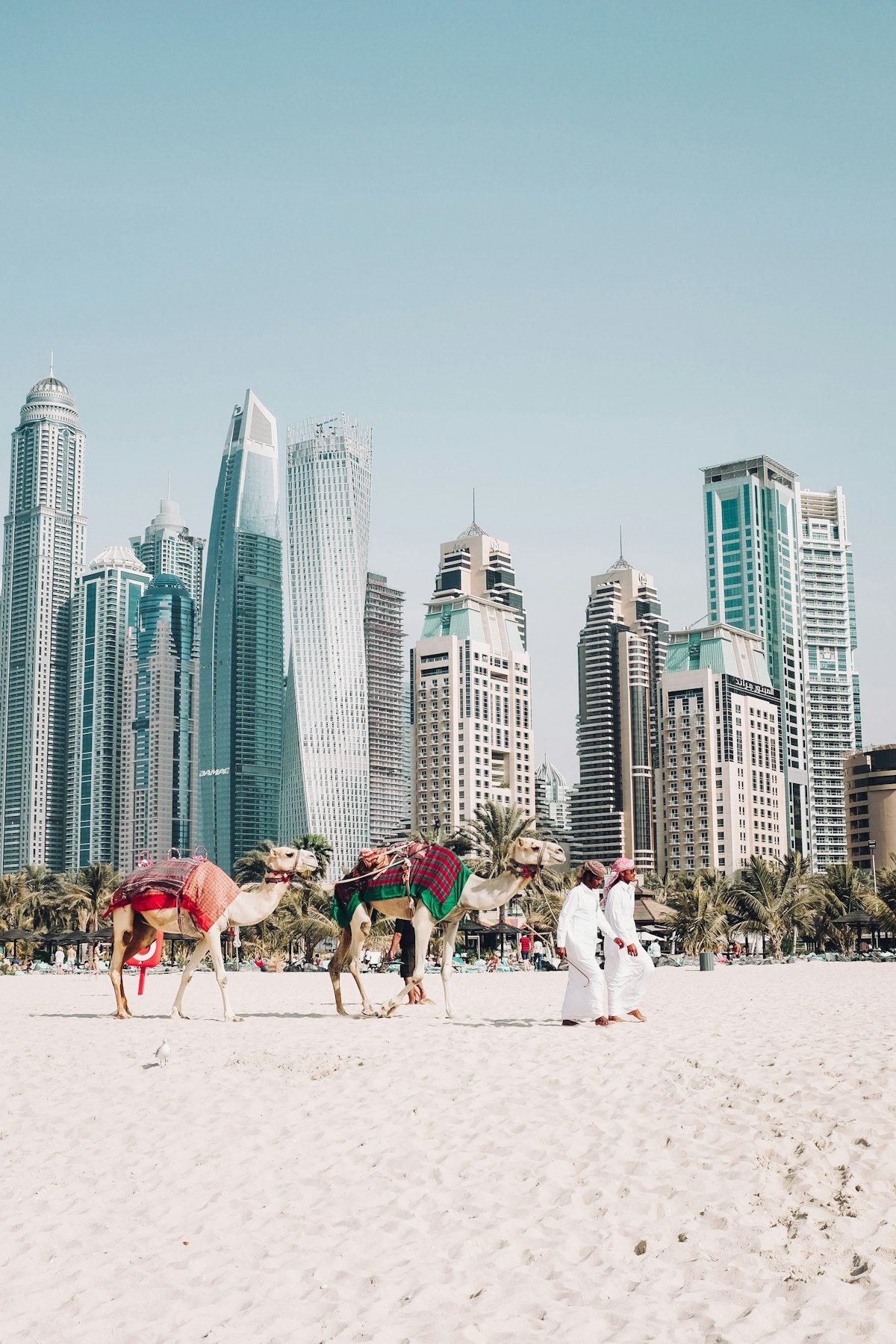


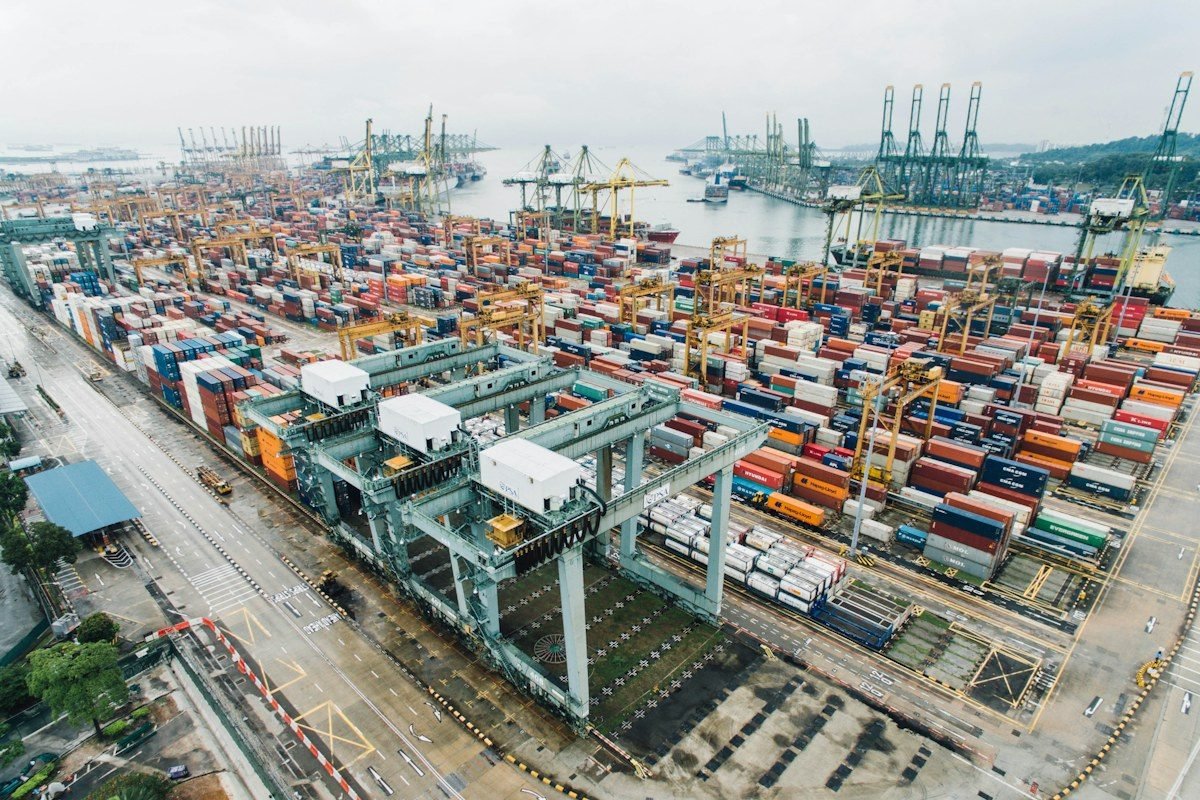


Built for the Region’s Food-Security Agenda
With limited arable land and water, Gulf states import the large majority of their food. Brazil’s scale, two crop seasons a year and Atlantic ports make it a natural partner.
Year-round availability
Soy, then safrinha corn, then sugar and coffee — Brazil’s staggered harvests let you plan supply across all twelve months.
Arab-ready paperwork
Commercial invoice, certificate of origin, phytosanitary and quality certificates prepared to importer and destination requirements, legalised where needed.
Independent inspection
Third-party surveyors (e.g. SGS, Bureau Veritas, Intertek) can check quality and weight at loading, as agreed in your contract.
Bulk or container
Handysize to Panamax bulk for grains and raw sugar; containers for bagged sugar, rice, coffee and oils into smaller ports.
Halal-conscious supply
For products where halal certification applies, such as some oils and derivatives, we work with certified Brazilian producers.
One accountable partner
A São Paulo team that answers in English, Portuguese and Arabic-friendly formats, from first offer to discharge.
How to Import Brazilian Commodities into the Middle East
Six clear steps from your first message to cargo discharged at your port.
Share requirement
Product, spec, quantity, port and trade term.
Receive offer
Verified Brazilian source, price basis and timeline.
Agree contract
Specs, inspection, payment instrument and Incoterm.
Load & inspect
Surveyor checks at Santos or Paranaguá.
Ship & document
B/L, CoO, phyto and quality docs released.
Discharge
Arrival at your Gulf, Red Sea or Med port.
Estimate Arrival & Shipment Size
Get an indicative arrival window and container count before you send your inquiry.
- Estimated arrival window—
- 20′ containers (approx.)—
- Suggested mode—
Planning estimate only — not a quotation. Freight, vessel availability and routing are confirmed in your offer.
Turn This Into a QuoteQuestions from Middle East Importers
Which Brazilian commodities does Kolash Group supply to the Middle East?
We supply sugar, corn, soybeans and soybean meal, rice, wheat, green coffee, orange juice and vegetable oils and derivatives to importers in the GCC, Egypt, Iraq, Jordan and Türkiye.
How long does shipping from Brazil to Dubai or Jeddah take?
As an indicative guide, sea transit from Santos to Jebel Ali or Dammam is about 25–32 days, and to Jeddah or Aqaba about 22–30 days, depending on vessel, routing and port congestion. Your offer confirms the schedule.
Which trade terms can Middle East buyers use?
FOB at a Brazilian port, or CFR and CIF to your nominated port such as Jebel Ali, Khalifa Port, Jeddah, Dammam, Hamad, Shuwaikh, Sohar, Umm Qasr, Aqaba or Alexandria. Other terms can be discussed.
Can documents be legalised for Arab countries?
Yes. Where your destination requires it, export documents such as the certificate of origin and commercial invoice can be legalised, including through the Arab Brazilian Chamber of Commerce, before shipment.
Do you ship in bulk vessels or containers?
Both. Grains, raw sugar and soybean meal usually move in bulk for larger volumes, while bagged sugar, rice, coffee and oils in flexitanks commonly move in containers, which suits smaller ports and phased deliveries.
What do I need to send for a quotation?
The product and specification, quantity and unit, destination country and port, packaging, preferred Incoterm, your company details, business email and phone or WhatsApp. Our quote form collects all of this in one step.
Ready to Bring Brazilian Supply to Your Port?
Tell us your product, volume and destination. We’ll come back with a clear, verified offer.