

Brazilian Agricultural Commodities for Europe, the Middle East, Africa & North America
Kolash Group connects importers in four world regions with Brazilian soybeans, corn, sugar, rice, coffee, orange juice, vegetable oils and wheat — with shipments structured around each market’s ports, documents and regulations.
Choose Your Market, See How We Supply It
Select a region to see the commodities we supply, key ports, transit times, documents and what buyers there need to know — all on this page.
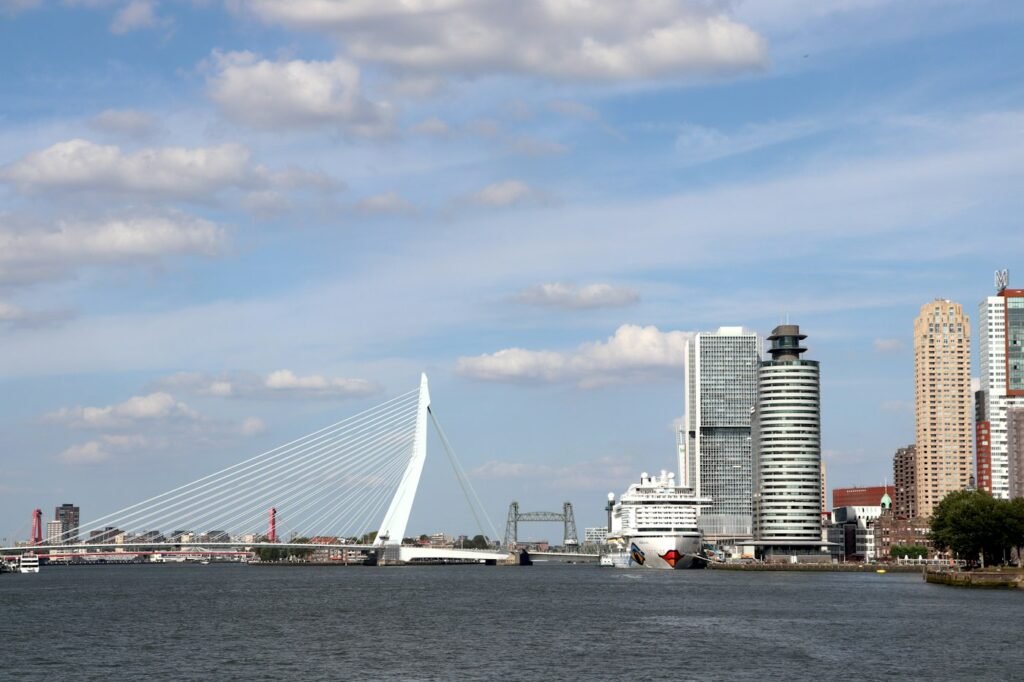
Brazilian Commodities for Europe
The European Union is the second-largest destination for Brazilian agribusiness, taking 14.9% of exports in 2025. European importers, crushers, roasters and juice processors rely on Brazil for consistent volumes of soy, coffee and orange juice.
- Key buyer countries
- Netherlands, Germany, Spain, Italy, Belgium, France, Portugal
- Main discharge ports
- Rotterdam · Antwerp · Hamburg · Valencia · Barcelona
- Ocean transit from Santos
- ≈ 14–22 days (approx.)
- Trade terms
- FOB · CFR · CIF
Commodities we supply
Documents we coordinate
Phytosanitary certificate (MAPA), certificate of origin, quality & weight certificates, EUDR due-diligence information, health certificates where required.
What buyers in Europe should know
- The EU Deforestation Regulation (EUDR) requires deforestation-free due diligence for soy, coffee and other products — traceability data must be planned from the start.
- Strict maximum residue limits (MRLs) and food-safety rules apply; specifications and lab analysis should reference EU standards.
- The EU–Mercosur trade agreement could gradually lower tariffs on some Brazilian products once in force.

Brazilian Commodities for Middle East
For many Gulf and wider Middle East countries, Brazil is a structural supplier of staple foods. In 2025 the region took 31.5% of Brazil’s corn exports (12.9 Mt) and 17% of its sugar exports (5.8 Mt).
- Key buyer countries
- Saudi Arabia, UAE, Iraq, Oman, Jordan, Kuwait and other Gulf states
- Main discharge ports
- Jebel Ali · Dammam · Jeddah · Aqaba · Sohar
- Ocean transit from Santos
- ≈ 25–40 days (approx.)
- Trade terms
- FOB · CFR · CIF
Commodities we supply
Documents we coordinate
Phytosanitary certificate, certificate of origin (often legalised), quality & weight certificates, halal or health certificates where required.
What buyers in Middle East should know
- Food-security strategies drive steady, often government-linked tenders for grains and sugar.
- Halal certification and Gulf (GSO / SFDA) labelling and food standards apply to many food products.
- All counterparties and destinations are screened against applicable sanctions and export-control rules.
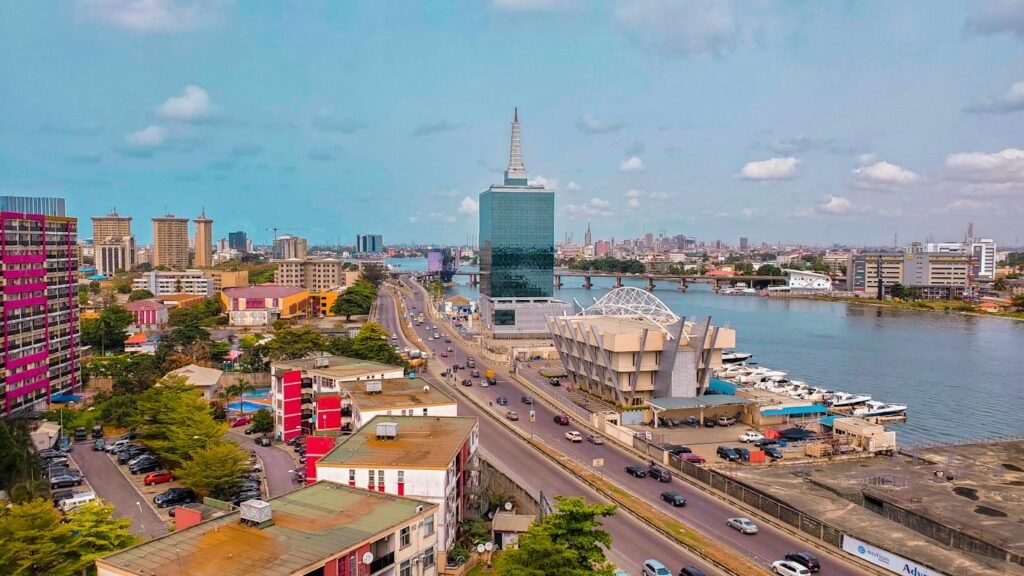
Brazilian Commodities for Africa
Fast-growing populations and food-security priorities make North, West and East Africa important buyers of Brazilian sugar, rice, corn, soy products and vegetable oils — often through importers, distributors and government programmes.
- Key buyer countries
- Egypt, Algeria, Morocco, Nigeria, Ghana, Côte d’Ivoire, Senegal, Kenya, South Africa
- Main discharge ports
- Alexandria · Algiers · Casablanca · Lagos (Apapa) · Tema · Abidjan · Durban · Mombasa
- Ocean transit from Santos
- ≈ 14–25 days (approx.)
- Trade terms
- FOB · CFR · CIF
Commodities we supply
Documents we coordinate
Phytosanitary certificate, certificate of origin, quality & weight certificates, fumigation certificate and pre-shipment inspection where required.
What buyers in Africa should know
- Many buyers prefer bagged cargo in containers or break-bulk, sized to local distribution.
- Documentary letters of credit are widely used; some countries require import permits or pre-shipment inspection.
- Port congestion and discharge rates vary widely — realistic laytime terms matter.

Brazilian Commodities for North America
The United States is the third-largest single destination for Brazilian agribusiness. Coffee roasters and orange juice processors in particular depend on Brazilian supply, alongside sugar, vegetable oils and specialty products for the US, Canada and Mexico.
- Key buyer countries
- United States, Canada, Mexico
- Main discharge ports
- New York / New Jersey · Savannah · Houston · Wilmington · Montreal
- Ocean transit from Santos
- ≈ 14–22 days (approx.)
- Trade terms
- FOB · CFR · CIF
Commodities we supply
Documents we coordinate
Phytosanitary certificate where required, certificate of origin, quality certificates, FDA Prior Notice support, commercial documents for US/Canadian/Mexican customs.
What buyers in North America should know
- US food imports require FDA facility registration and Prior Notice; plant products follow USDA-APHIS rules.
- Tariffs and trade measures on Brazilian goods changed during 2025 — current duty status is confirmed for every offer.
- Quality specifications for coffee and juice are usually agreed with samples before contract.
Which Brazilian Commodities Each Region Buys
Hover or tap any cell to explore. Choose a region to see its spotlight — where each Brazilian product fits best, at a glance.
Qualitative guide based on Brazilian export statistics (MAPA, Secex) and market experience; demand varies by country and season.
Plan Your Brazilian Shipment in Two Clicks
Choose your region and commodity to see typical demand, shipping mode, loading ports, transit time, trade terms and documents.
1 Choose your region
2 Choose your commodity
Soybeans & meal → Europe
- Commercial invoice & bill of lading
- Phytosanitary certificate (MAPA) & certificate of origin
- Independent quality & weight certificates
Indicative planning guide; every offer confirms availability, port, vessel and documents.
How Fast Brazilian Cargo Reaches Each Region
Approximate ocean transit from the Port of Santos. We confirm the route, vessel and estimated arrival for every shipment.
Indicative only; depends on vessel type, route, transshipment and port calls.

From First Enquiry to Your Destination Port
Five clear steps, wherever you import — the same process for Europe, the Middle East, Africa and North America.
- 1Day 1
Tell us your market
Destination port, commodity, volume, packaging and preferred trade term.
- 2Days 1–3
Market compliance check
Import rules, documents, certifications and sanctions screening for your country.
- 3Week 1–2
Written offer & contract
Specification, price, Incoterm®, inspection and payment agreed in writing.
- 4Weeks 3–8
Loading in Brazil
Independent inspection, port operations and export documents.
- 52–6 weeks at sea
Arrival at your port
Ocean transit with ETA updates, document release and discharge.
Built Around Each Market’s Requirements
Every region has its own rules, ports and expectations. Our service adapts to yours.
Market-ready documents
Certificates and paperwork prepared for each destination’s import rules.
- Draft documents for review before release
- Region-specific certificates where required
- Checked against contract and L/C terms
Right port, right vessel
Loading port and shipment size matched to your discharge port and distribution.
- Bulk, container, bags or tanks
- Port chosen by origin, draft and line-ups
- Realistic laytime and discharge terms
Compliance first
KYC and sanctions screening, independent inspection and documented specifications.
- Counterparty and destination screening
- Agreed international surveyor at loading
- Specifications fixed in the contract
Your language
Communication in English, Portuguese, French, Spanish and Arabic.
- One dedicated São Paulo contact
- Milestone updates in your language
- Clear, written answers — no jargon
Questions About Our Markets
Which markets does Kolash Group export to?
Kolash Group exports Brazilian agricultural commodities to four regions: Europe, the Middle East, Africa and North America, on FOB, CFR or CIF terms.
Which Brazilian commodities are in demand in the Middle East?
Corn and sugar lead: in 2025 the Middle East took 31.5% of Brazil’s corn exports (12.9 Mt) and 17% of its sugar exports (5.8 Mt). Soybeans, rice and vegetable oils are also traded.
How long does shipping from Brazil to Europe take?
Ocean transit from Santos to North European ports such as Rotterdam, Antwerp or Hamburg is roughly 14–22 days, depending on vessel, route and port calls.
What is the EUDR and does it affect Brazilian soy and coffee?
The EU Deforestation Regulation requires importers to show that products such as soy and coffee are deforestation-free and legally produced. Buyers in Europe should plan traceability and due-diligence data with their Brazilian supplier.
Do you supply buyers in Africa with bagged sugar and rice?
Yes. Sugar, rice and other commodities can be supplied in 25 kg or 50 kg bags or big bags, by container or break-bulk, to suit African distribution.
Can Kolash Group ship to the United States, Canada and Mexico?
Yes. We coordinate shipments of coffee, orange juice, sugar, vegetable oils and soy products to North America and confirm current duties and import requirements for each offer.
Importing into Europe, the Middle East, Africa or North America?
Tell us your destination port, commodity and volume. Our São Paulo team will confirm availability, documents and transit — and send a written offer.
Last updated: · Sources: MAPA (2025 export data), Insper Agro / CNN Brasil (Middle East, Mar 2026), CNA (2024) · Related: Products · How We Work · Insights