

Brazilian Sugar, Rice, Corn & Oils for Africa — from Cairo to Cape Town
Kolash Group supplies importers, refiners and distributors across North, West, East and Southern Africa with Brazilian agricultural commodities — shipped from Santos and Paranaguá to Lagos, Tema, Abidjan, Algiers, Casablanca, Alexandria, Mombasa and Durban.
We speak English · Français · العربية · Português
Why African Importers Source from Brazil
Does Kolash Group supply African markets?
Yes. Kolash Group, based in São Paulo, supplies Brazilian sugar, rice, corn, soybean products and vegetable oils to importers in North, West, East and Southern Africa on FOB, CFR or CIF terms, in bulk, containers or bags.
Africa’s growing cities and food-security priorities rely on dependable imports of staples. Brazil — the world’s leading sugar exporter and a top supplier of corn and soy — sits directly across the Atlantic from West Africa, with short, frequent shipping routes.
Our team understands African trade in practice: bag sizes that suit local distribution, French- and Arabic-language documents, letters of credit, and realistic discharge terms at busy ports.
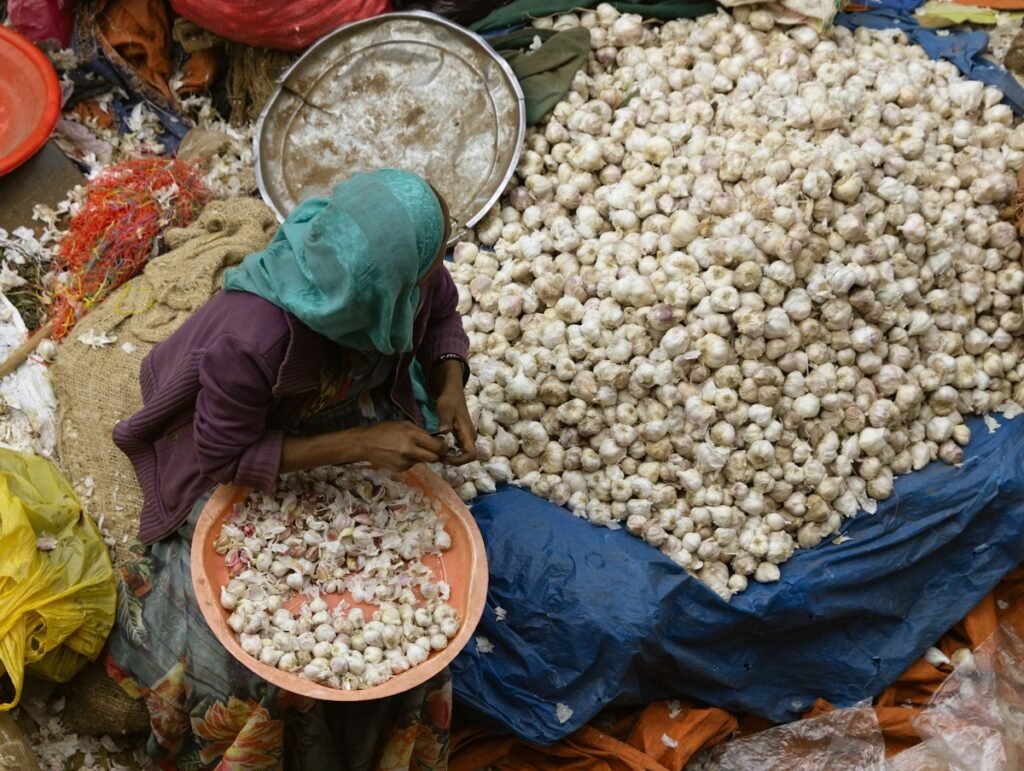
Africa Is the World’s Fastest-Growing Food Market
More people, bigger cities and a continental free-trade area are reshaping how Africa buys food — and Brazil is one of its natural suppliers.
people in Africa (2024)
UN ECApeople projected by 2050
UN ECAcountries signed the AfCFTA free-trade agreement
US ITA, Dec 2025US$ combined GDP of AfCFTA members
US ITA, Dec 2025Africa’s population, 2024 → 2050
By 2050, more than 1 in 4 people on Earth will be African (UN ECA). Feeding that growth requires reliable imports of sugar, grains, rice and edible oils.
Rising urban demand
Fast-growing cities such as Lagos, Cairo, Kinshasa, Nairobi and Abidjan drive demand for packaged staples and processed food.
Structural import needs
Sub-Saharan Africa’s food import bill is forecast at about US$65 billion in 2025 (FAO), led by cereals, oils and sugar.
A continental market
The AfCFTA links 54 signatory countries, helping importers redistribute goods across regional markets.
Brazil across the Atlantic
West Africa is one of the shortest ocean routes from Brazil — Santos to Dakar in about 10–15 days.
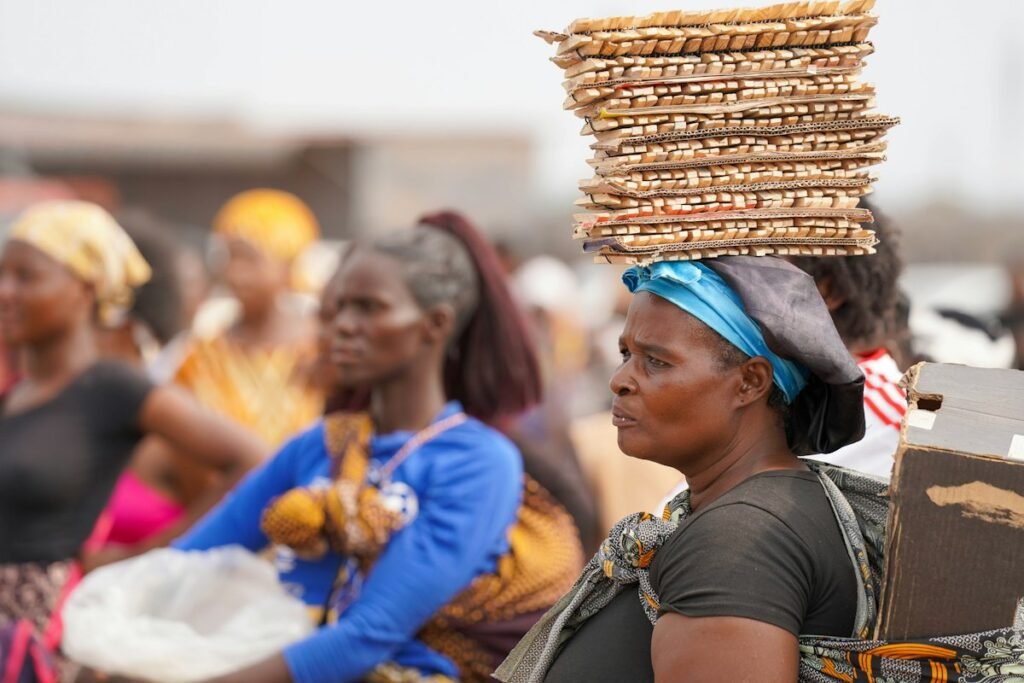
Four African Regions, One Brazilian Partner
Choose a region to see its key countries, ports, business areas, landmarks and the Brazilian commodities we supply there.
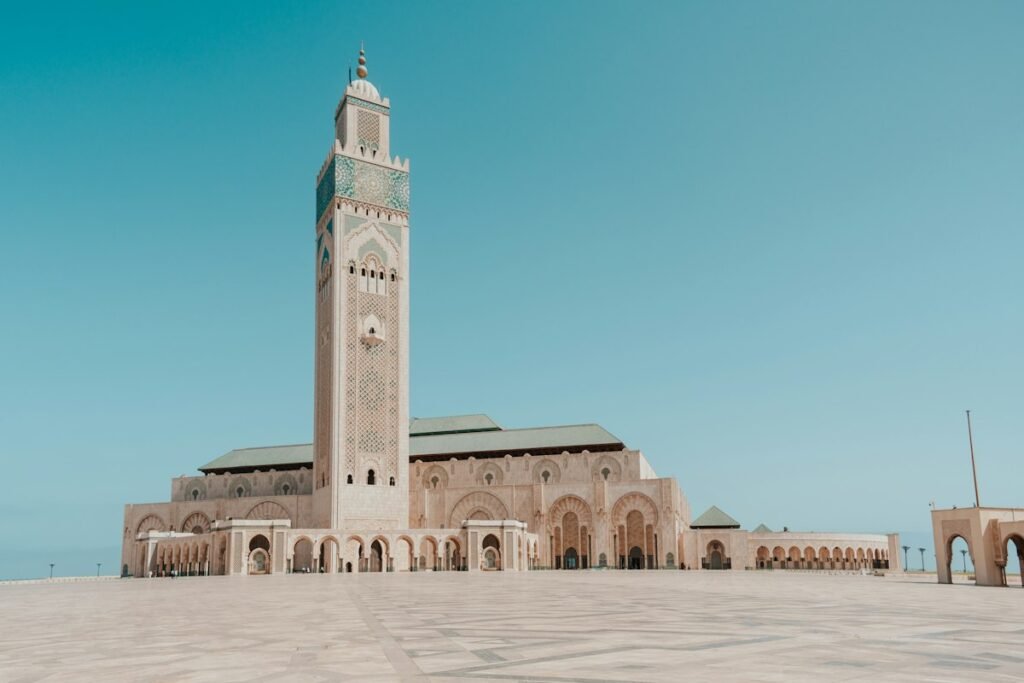

Brazilian Commodities for North Africa
- Key countries
- Egypt · Algeria · Morocco · Tunisia · Libya
- Discharge ports
- Alexandria · Damietta · Algiers · Oran · Casablanca · Tanger Med · Radès
- Main business areas
- Cairo & the Nile Delta, Algiers, Oran, Casablanca–Rabat, Tunis
- Typical cargo format
- Bulk vessels for VHP sugar and grains; bagged white sugar by container or break-bulk.
What we supply
Good to know
- Large state and private refiners buy VHP raw sugar in bulk.
- French and Arabic documentation and labelling are often expected.
- Certificates of origin may need legalisation for some destinations.

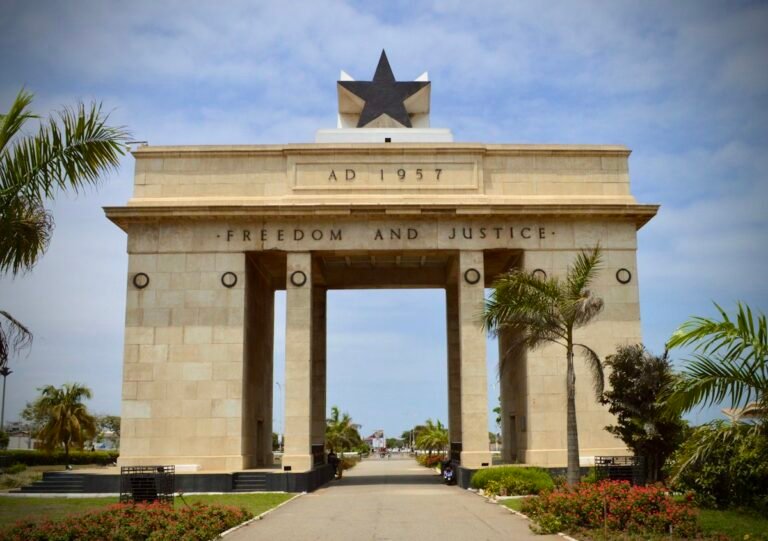
Brazilian Commodities for West Africa
- Key countries
- Nigeria · Ghana · Côte d’Ivoire · Senegal · Togo · Benin · Guinea
- Discharge ports
- Lagos (Apapa, Tin Can, Lekki) · Tema · Abidjan · Dakar · Lomé · Cotonou · Conakry
- Main business areas
- Lagos & Kano, Accra–Tema, Abidjan, Dakar, Lomé
- Typical cargo format
- Mostly 25 kg / 50 kg bags in 20’ and 40’ containers or break-bulk; bulk sugar to refiners.
What we supply
Good to know
- Nigeria’s sugar refiners are among Brazil’s largest African customers.
- Bag size, language and labelling are tailored to local distributors.
- Plan for port congestion and agree realistic discharge terms.

Brazilian Commodities for East Africa
- Key countries
- Kenya · Tanzania · Ethiopia (via Djibouti) · Uganda · Rwanda
- Discharge ports
- Mombasa · Dar es Salaam · Djibouti
- Main business areas
- Nairobi, Mombasa, Dar es Salaam, Addis Ababa, Kampala
- Typical cargo format
- Containers and break-bulk; bagged cargo for inland distribution by road and rail.
What we supply
Good to know
- Longer voyage around the Cape — plan shipment windows early.
- Inland corridors serve landlocked Uganda, Rwanda and Ethiopia.
- Regional (EAC) import rules and duties apply to many staples.


Brazilian Commodities for Southern Africa
- Key countries
- South Africa · Angola · Mozambique · Namibia
- Discharge ports
- Durban · Cape Town · Luanda · Maputo · Walvis Bay
- Main business areas
- Johannesburg–Gauteng, Durban, Cape Town, Luanda, Maputo
- Typical cargo format
- Bulk and containers; bagged sugar and feed ingredients for regional distribution.
What we supply
Good to know
- Portuguese-speaking Angola and Mozambique share language with Brazil.
- South Africa’s feed and food industries buy soy products and corn in deficit years.
- SACU / SADC rules can affect duties and documents.
Africa’s Biggest Buyers of Brazilian Sugar
Four African countries rank among the top destinations for Brazilian sugar. Together they took 5.9 million tonnes in January–November 2025 — about 19% of Brazil’s total sugar exports.
Source: MAPA – Brazilian sugar exports by country, January–November 2025 (updated 8 Dec 2025).
How to Import Brazilian Commodities into Africa in 6 Steps
A clear path from your first message to cargo discharged at your port — adapted to African import rules, packaging and payment practice.
- 1Day 1
Share your requirement
Product, specification, volume, destination port, bag size, label language and trade term (CFR or CIF is most common).
- 2Days 1–3
Import compliance check
We confirm your country’s rules — import permits, standards bodies (for example NAFDAC in Nigeria or GSA in Ghana), certificates and any pre-shipment inspection.
- 3Week 1–2
Offer, contract & L/C
Written offer, signed contract and your documentary letter of credit (or agreed payment terms) opened through your bank.
- 4Weeks 2–6
Production & bagging
The lot is prepared, bagged in 25 kg / 50 kg or big bags and labelled in English, French, Arabic or Portuguese.
- 5Weeks 4–8
Inspection, loading & documents
Independent inspection, loading in Santos or Paranaguá, phytosanitary certificate, certificate of origin and pre-shipment inspection certificate where required.
- 6≈ 2–5 weeks at sea
Transit, discharge & clearance
ETA updates during the voyage, document release through your bank and support for customs clearance at your port.
African Ports We Ship To
Filter by region to see the main discharge ports and approximate ocean transit time from Santos.
Approximate transit from Santos; actual times depend on vessel, route, transshipment and port calls.
What We Ship to Africa — and How It’s Packed
Popular grades, packaging and container loads for the Brazilian commodities African buyers order most. Use the load calculator to plan your first shipment.
Brazilian Sugar for Africa
Popular grades
- ICUMSA 45 refined white sugar – for distributors, food & beverage makers
- VHP raw sugar – in bulk for local refineries
Typical buyers
Refiners, distributors, bakeries, beverage and confectionery makers
Packaging options
Brazilian Rice for Africa
Popular grades
- Long-grain white rice, graded by broken %
- Parboiled long-grain rice
Typical buyers
Importers, wholesalers and supermarket chains
Packaging options
Brazilian Corn for Africa
Popular grades
- Yellow corn (maize) – feed grade
- Non-GMO on request, subject to availability
Typical buyers
Feed mills, poultry integrators and millers
Packaging options
Brazilian Soybean meal for Africa
Popular grades
- Soybean meal – high-protein feed ingredient
- Whole soybeans for crushing
Typical buyers
Poultry, aquaculture and livestock feed producers
Packaging options
Brazilian Vegetable oils for Africa
Popular grades
- Crude degummed soybean oil – for refineries
- Refined soybean oil – for packers and food industry
Typical buyers
Oil refiners, packers and food manufacturers
Packaging options
Estimate Arrival & Landed Price in Seconds
Two quick tools to plan your next Brazilian shipment to Africa. Results are indicative — every offer confirms exact dates and prices.
Arrival Date Estimator
Santos → your African port
CFR / CIF Price Estimator
Enter your own numbers (US$ per MT)
Illustrative only. Transit times are approximate; insurance is calculated on 110% of CIF value, a common market convention. Prices and freight change daily — request a firm quote.



How We Make Brazil–Africa Trade Work for You
Packaging for local distribution
25 kg and 50 kg bags, 1-tonne big bags, containers or break-bulk — sized for your warehouses and wholesalers.
Labels & documents in your language
French, Arabic, Portuguese or English documents, with labelling agreed before production.
Secure payment terms
Documentary letters of credit or cash against documents, with documents checked before presentation.
Inspection & compliance
Independent quality and weight inspection, plus pre-shipment inspection or permits where your country requires them.
Realistic port planning
Discharge rates, congestion and laytime considered from the offer stage to avoid demurrage surprises.
One São Paulo contact
A single point of contact from first enquiry to vessel arrival, with milestone updates.
Questions from African Importers
Which Brazilian commodities do African importers buy most?
Sugar is the largest: in January–November 2025 Algeria, Nigeria, Morocco and Egypt together imported about 5.9 million tonnes of Brazilian sugar (MAPA). Rice, corn, soybean products and vegetable oils are also widely imported.
Can Kolash Group ship bagged sugar and rice to West Africa?
Yes. Sugar and rice can be supplied in 25 kg or 50 kg bags or big bags, in 20’ or 40’ containers or break-bulk, with labelling agreed with your distributors.
How long does shipping from Brazil to Lagos or Tema take?
Ocean transit from Santos to Lagos or Tema is roughly 13–20 days, depending on vessel, route and port calls. East African ports such as Mombasa take about 25–35 days.
Do you communicate in French, Arabic and Portuguese?
Yes. Our São Paulo team communicates in English, French, Arabic and Portuguese, the main business languages across Africa, as well as Spanish.
Which payment terms are used for African shipments?
Documentary letters of credit are the most common, alongside cash against documents for established buyers. Terms are agreed per contract.
Do some African countries require pre-shipment inspection?
Yes. Some countries require pre-shipment inspection, import permits or specific certificates. Share your country’s requirements at the enquiry stage and we coordinate them with the shipment.
Importing Sugar, Rice or Grains into Africa?
Tell us your port, product, volume and packaging. Our São Paulo team will reply with availability and a written offer — in your language.
Last updated: · Sources: MAPA (sugar exports by country, Jan–Nov 2025), FAO Food Outlook (2025) · Related: Sugar · Rice · How We Work