

Brazilian CoffeeOrange JuiceSugarCorn & Soy
for the USA, Canada & Mexico
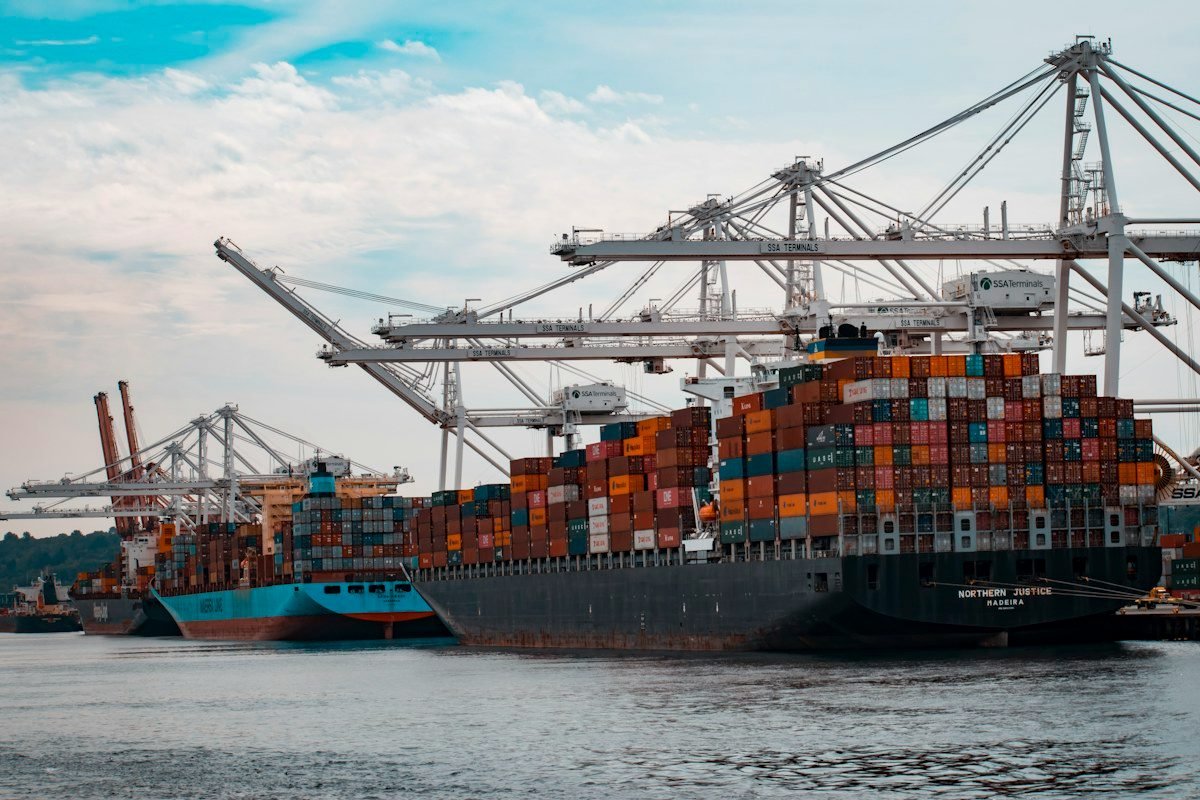
Kolash Group supplies roasters, juice packers, food manufacturers and feed mills from New York to Vancouver to Mexico City, shipping directly from Santos and Paranaguá.
Can US, Canadian and Mexican companies import commodities directly from Brazil?
Yes. Brazil is the leading coffee supplier to the United States and the main source of the orange juice Americans drink. Buyers across the US, Canada and Mexico import Brazilian green coffee, FCOJ and NFC orange juice, sugar, corn, soybeans, soybean meal, rice and vegetable oils on FOB, CFR or CIF terms.
When the US applied an additional tariff of at least 25% on Brazilian goods from 15 July 2026, green and roasted coffee, orange juice, citrus pulp and many fruits were placed on the exemption list. Kolash Group, based in São Paulo, handles sourcing, contracts, inspection, documents and shipment to your port.
Last reviewed: October 2026. Tariff rules change. Always confirm the HTS classification and duty with your licensed customs broker.
Coffee: Brazil supplies about a third of the coffee consumed in the United States.
Orange juice: the US took roughly 45% of Brazil’s orange juice exports in 2025/26.
Scale: Brazil’s agricultural exports reached a record US$ 169.2 billion in 2025.
Days: indicative sea transit from Santos to US East Coast ports such as New York/New Jersey.
Countries: one Brazilian partner for the US, Canada and Mexico.
2026 US Tariff Status by Commodity
Hover or tap a card to see what it means for your next Brazilian shipment into the United States.
Green & roasted coffee
✓ ExemptTap to flipGreen coffee, roasted coffee and unflavoured instant coffee are on the exemption list for the additional tariff applied from 15 July 2026.
Brazilian coffee →Orange juice & citrus pulp
✓ ExemptTap to flipOrange juice, citrus pulp and citrus essential oils are exempt. NFC and FCOJ exports from Brazil both grew in 2025/26.
Brazilian orange juice →Raw & refined sugar
Tariff-rate quotaTap to flipUS sugar imports run under a tariff-rate quota (TRQ) with country allocations. Volumes above quota face higher duties. Canada and Mexico apply their own rules.
Brazilian sugar →Corn, soy & oils
Check by HTS codeTap to flipMexico is the most active North American buyer for Brazilian feed grains. For the US, confirm the duty for your exact HTS code before you contract.
Brazilian corn →Based on public reporting of the US tariff measures confirmed on 15 July 2026 (FreshFruitPortal). This is general market information, not legal or customs advice.
Local Ports, Rules & Buyers in Each Country
Ports of entry, regulators and demand look different in the US, Canada and Mexico. Choose a country.
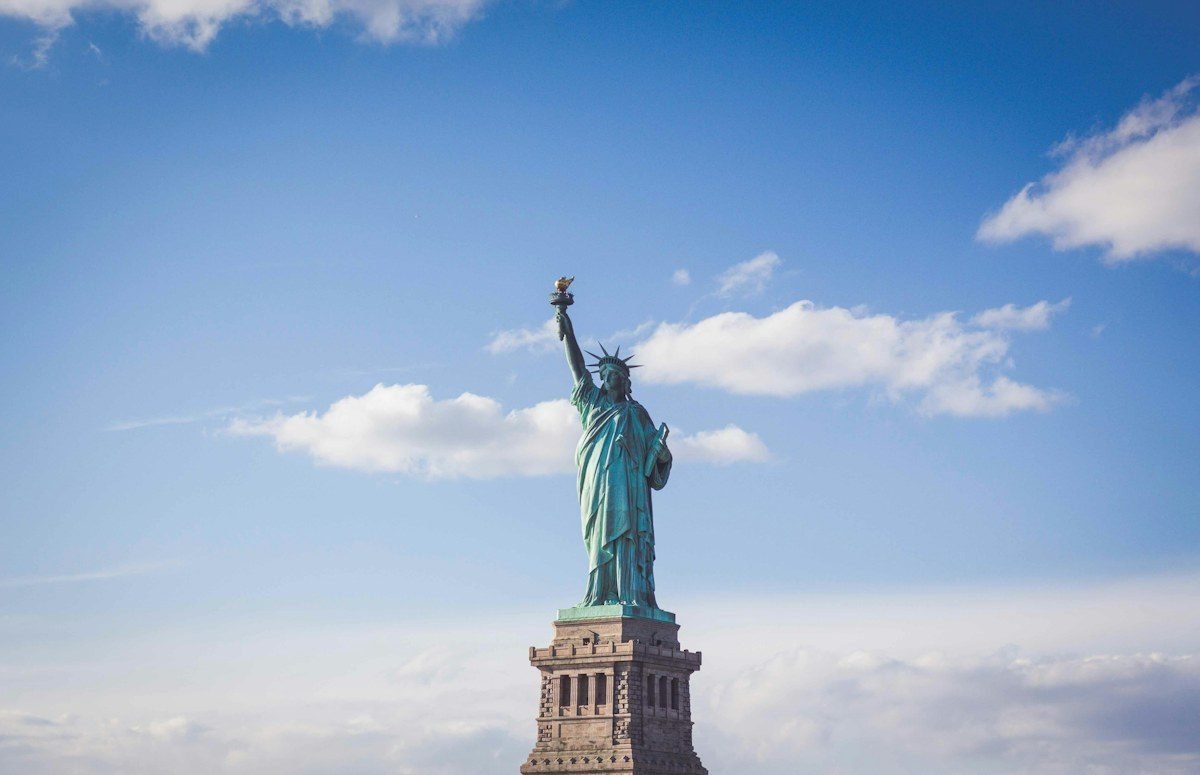
Brazilian commodities for the United States
The world’s largest coffee-consuming country and Brazil’s biggest orange juice customer. Demand is concentrated around East Coast roasters, Florida juice packers, Gulf Coast distributors and West Coast specialty coffee.
Key ports
New York/New Jersey, Savannah, Miami & Port Everglades, Houston, New Orleans, Los Angeles/Long Beach, Oakland, Seattle
Regulators
FDA (facility registration, Prior Notice, FSVP), USDA APHIS, U.S. Customs & Border Protection
Local landmarks
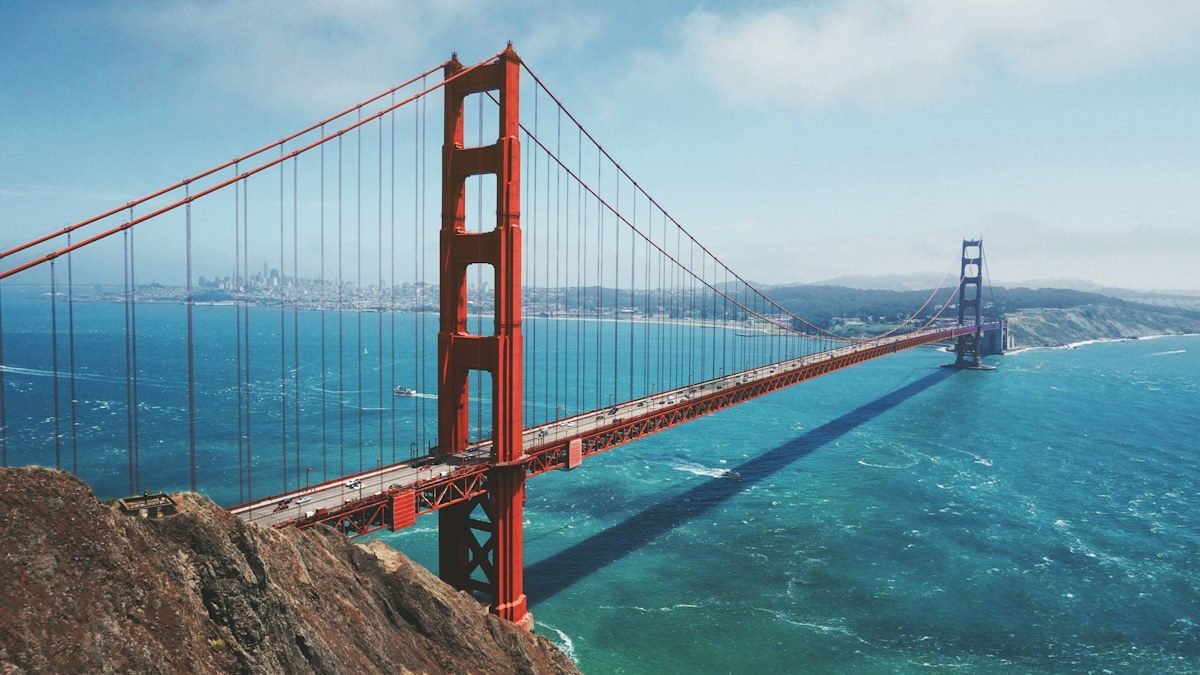
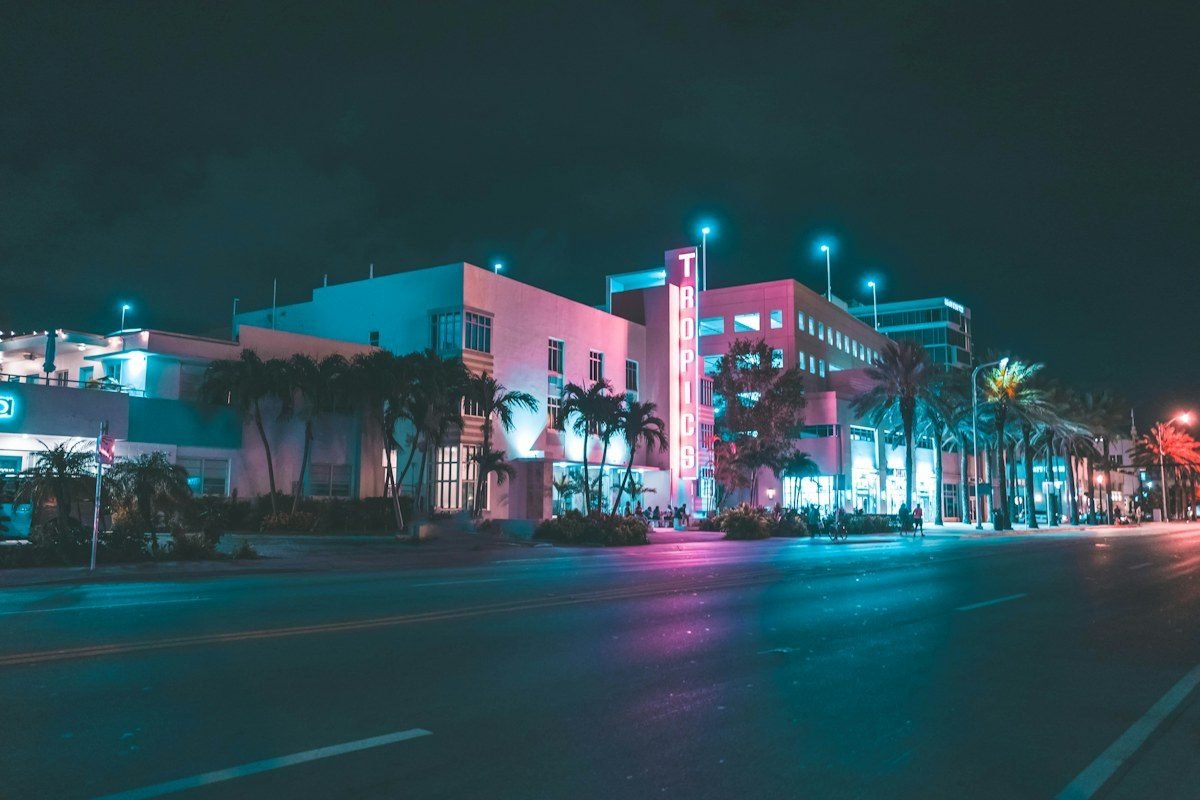
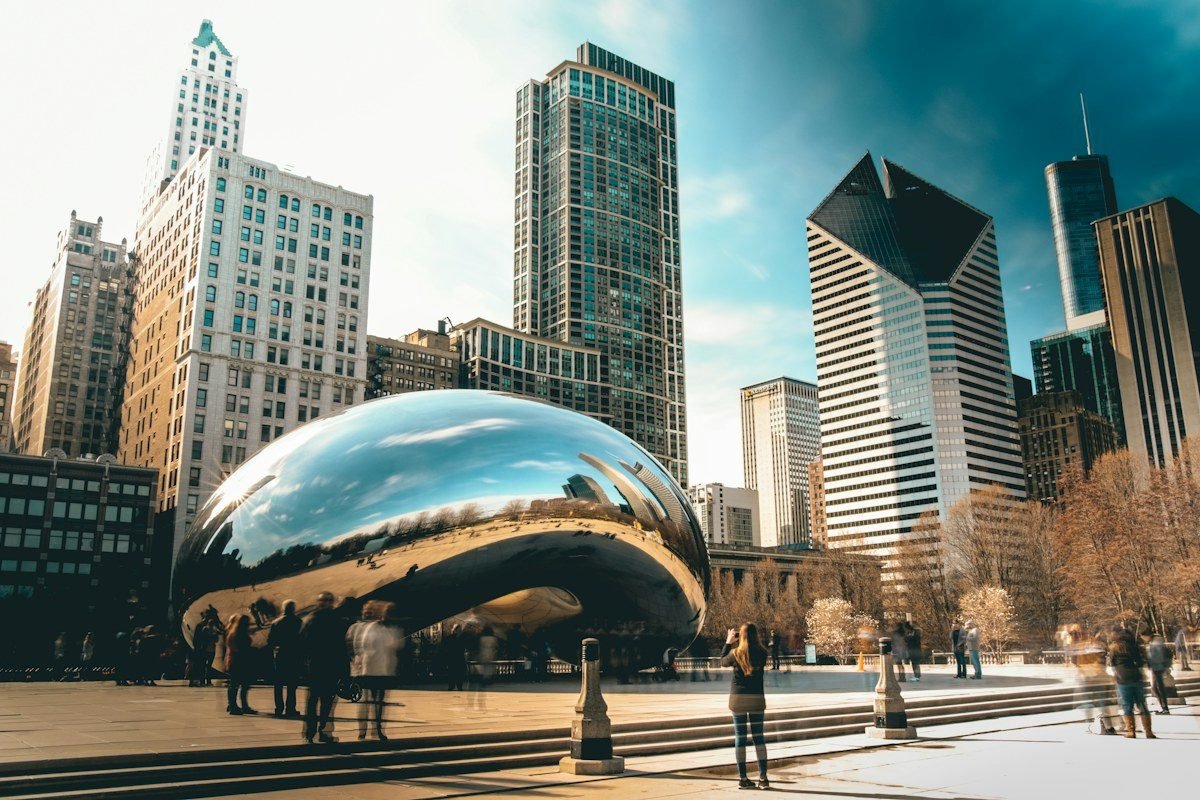
Statue of Liberty, Golden Gate Bridge, Cloud Gate (Chicago), Ocean Drive (Miami)
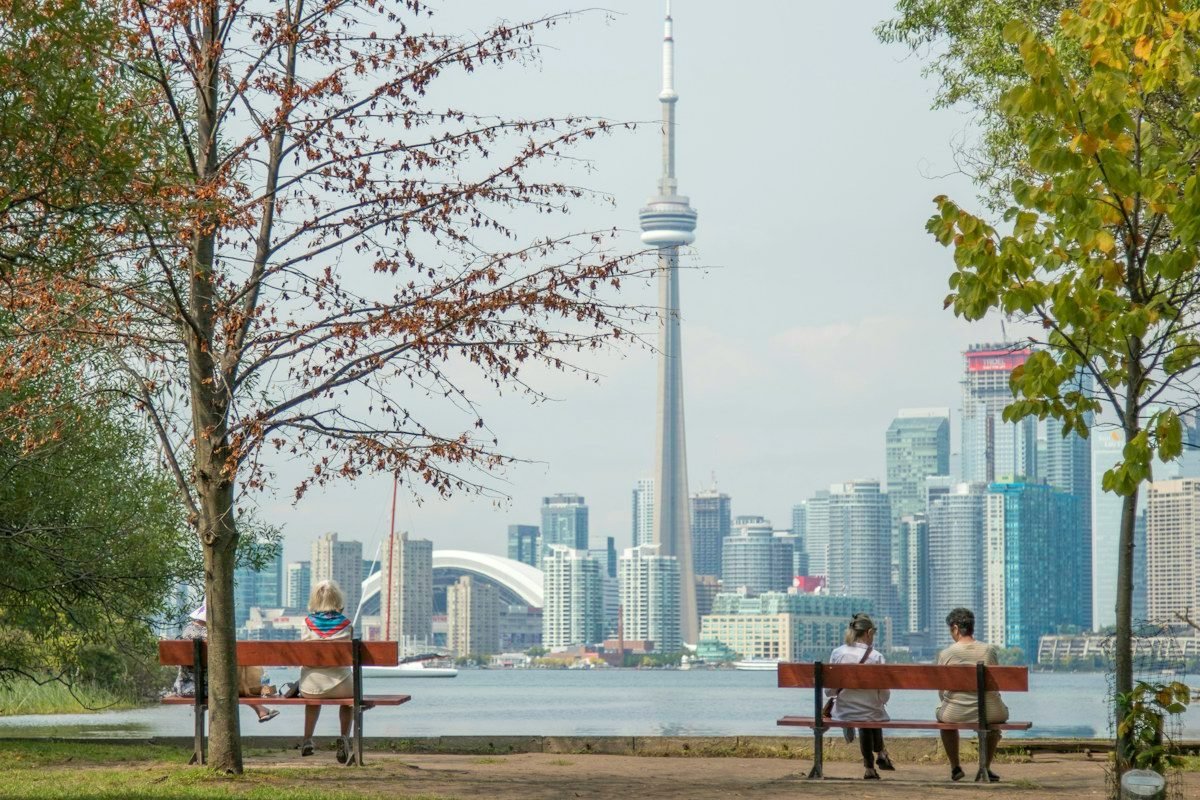
Brazilian commodities for Canada
A coffee-loving nation with large refining, bakery and food-processing clusters in Ontario, Quebec and British Columbia. Canada’s tariffs are set separately from US measures.
Key ports
Montreal, Halifax, Saint John, Vancouver, Prince Rupert, Toronto (via the St. Lawrence)
Regulators
CFIA (Safe Food for Canadians licence), Canada Border Services Agency
Local landmarks
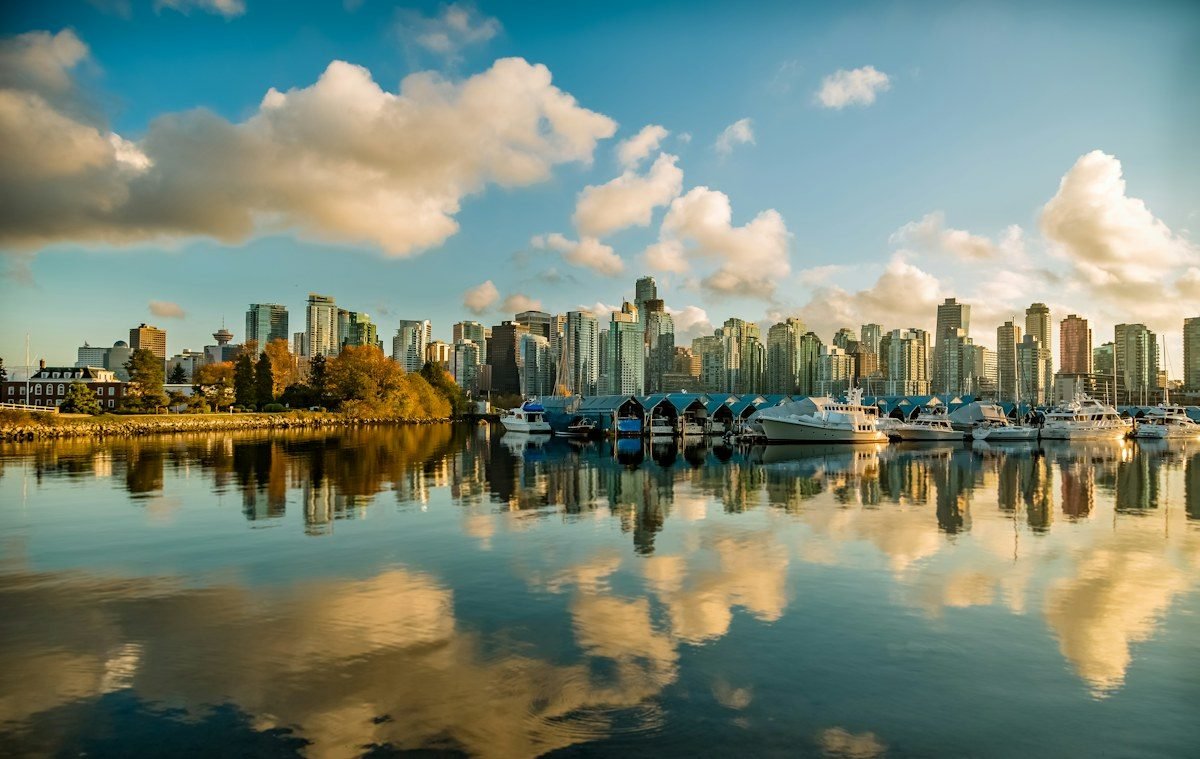
CN Tower (Toronto), Old Montreal, Vancouver’s Coal Harbour, Halifax waterfront
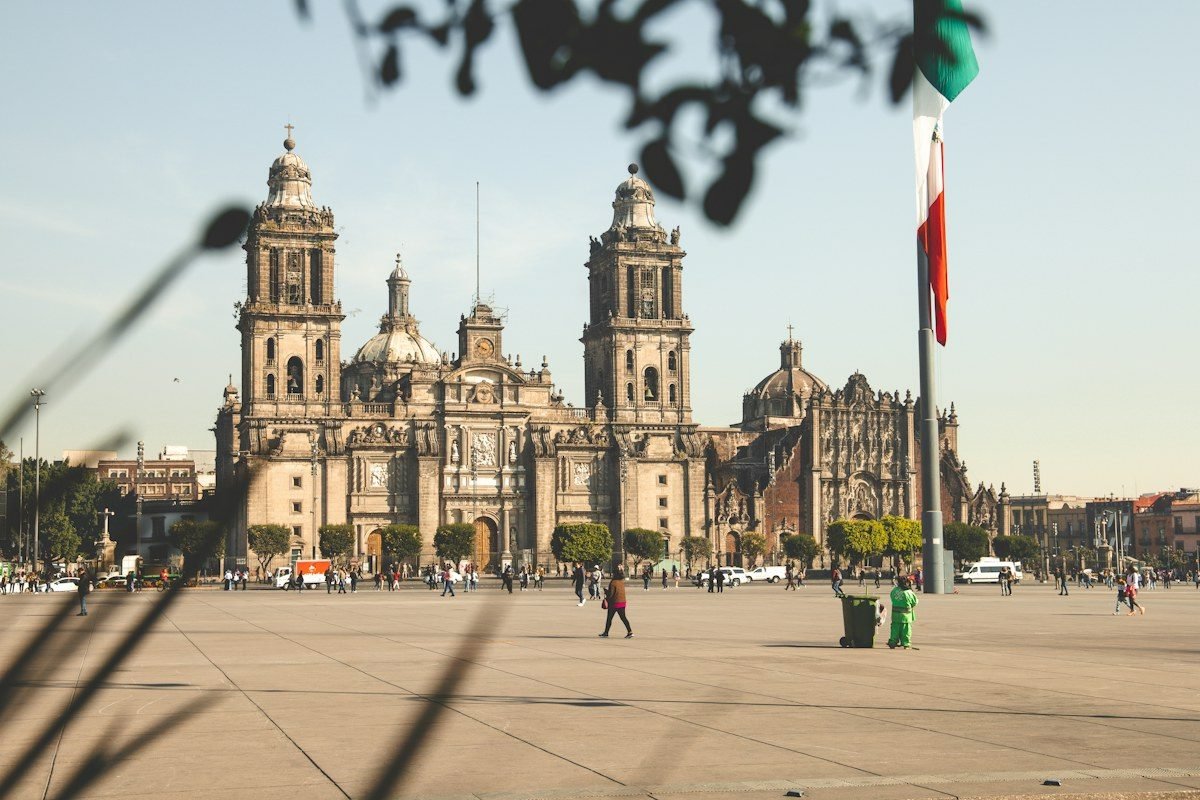
Brazilian commodities for Mexico
One of the world’s largest corn importers, with big poultry, pork and milling industries in Jalisco, Sonora, Nuevo León and the Bajío. Brazilian corn and soy give buyers a second origin alongside US supply.
Key ports
Veracruz, Altamira, Tampico, Manzanillo, Lázaro Cárdenas, Progreso
Regulators
SENASICA (phytosanitary import requirements), COFEPRIS, Mexican customs (ANAM)
Local landmarks
Zócalo & Metropolitan Cathedral (Mexico City), Guadalajara’s historic centre, Cerro de la Silla (Monterrey)
How Fast Brazilian Cargo Reaches Your Port
Indicative sea transit times from Santos to 14 North American ports. Filter by coast and watch the race.
Indicative planning ranges only. Actual transit depends on vessel, routing (including the Panama Canal for Pacific ports), transhipment and season. Your offer confirms the schedule.
Brazil’s Weight in North American Supply
The numbers behind Brazil’s role in America’s coffee cup and breakfast juice, and the record harvests behind them.
US coffee consumption
Share supplied by Brazil
About 472 million kg of Brazilian coffee was shipped to the US in 2024.
Brazil’s orange juice exports
Share taken by the United States, 2025/26
NFC shipments rose about 15% and FCOJ and other juices about 18% in 2025/26.
Where Brazil’s farm exports go
2025, US$ billion
Total: US$ 169.2bn, a record, up 3% on 2024.
Sources: farmdoc daily, University of Illinois · FreshFruitPortal · AgNavigator.
Built for North American Buyer Types
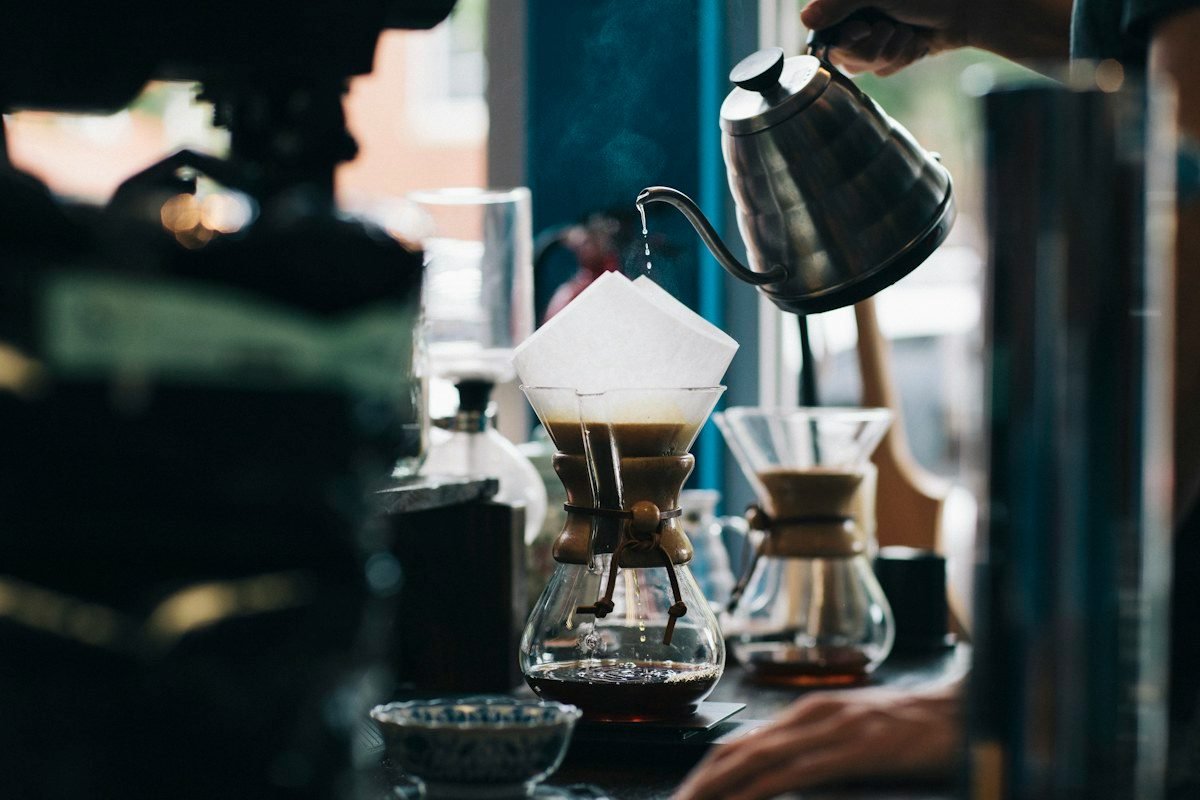
Green coffee by the container
Brooklyn · Seattle · Bay Area · TorontoBrazilian naturals and pulped naturals for espresso blends and single origins, with pre-shipment samples and grading on request.
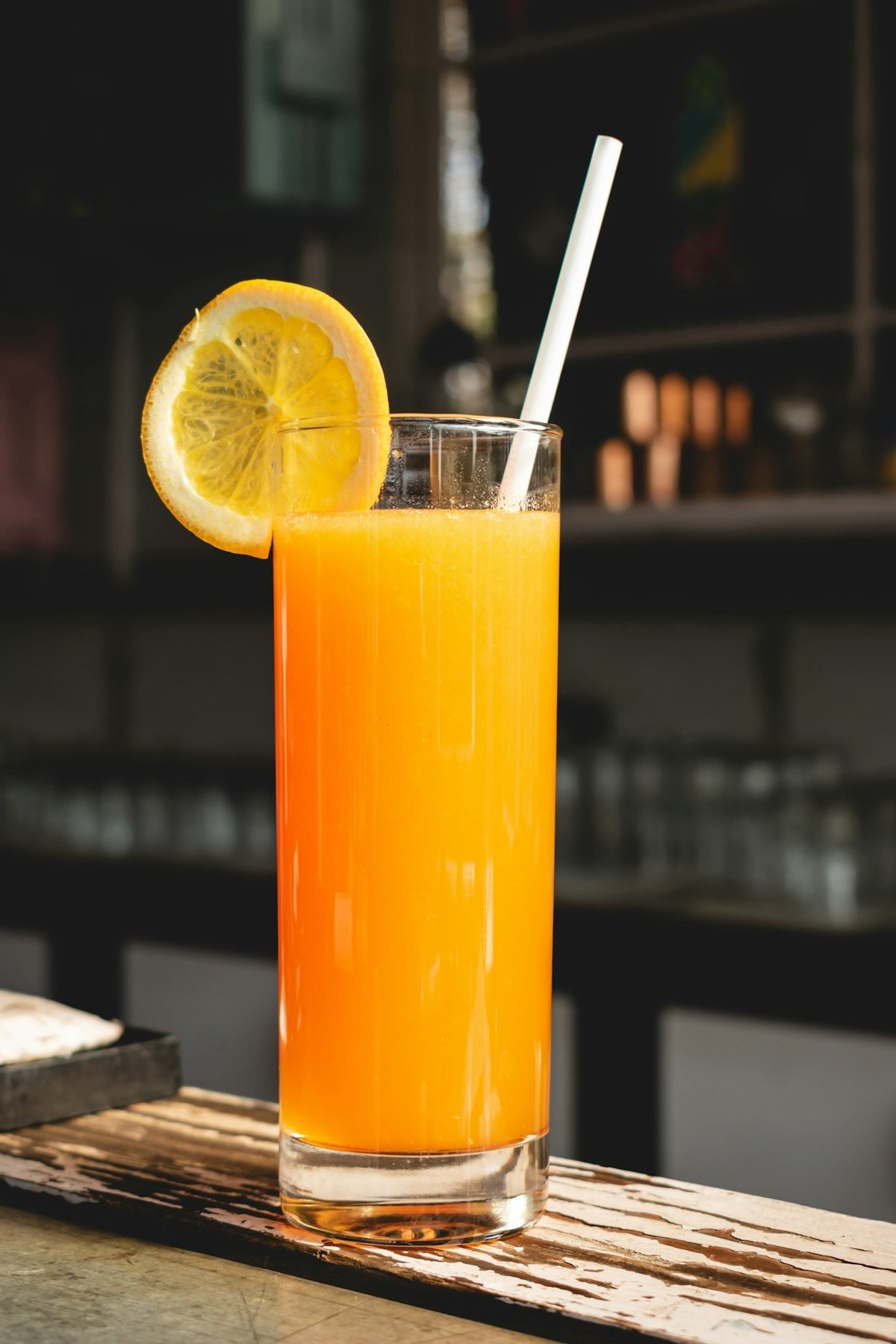
FCOJ & NFC orange juice
Florida · New Jersey · OntarioFrozen concentrated and not-from-concentrate orange juice to your specification, shipped in bulk or drums.
Corn, soybeans & meal
Jalisco · Sonora · Nuevo León · YucatánBulk Brazilian corn and soy products into Veracruz, Altamira and Progreso to diversify origin and secure supply.
Sugar, oils & ingredients
Chicago · Houston · Montreal · MonterreySugar, vegetable oils and derivatives for bakeries, confectioners, beverage plants and distributors.
Your Import Checklist for USA, Canada & Mexico
Tick what you already have in place. We’ll help you with the rest before your first Brazilian shipment.
Start ticking to see how ready you are to import from Brazil.
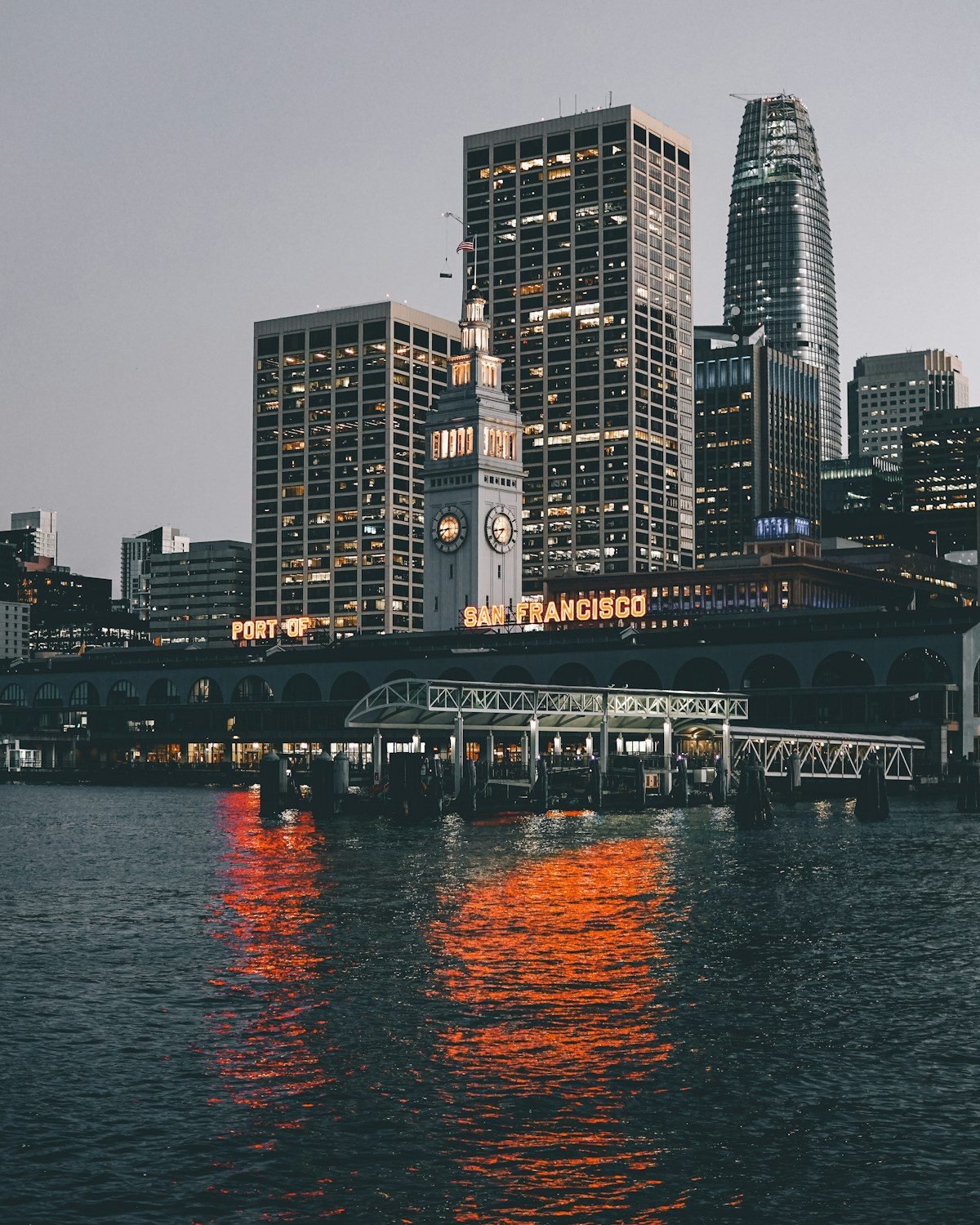
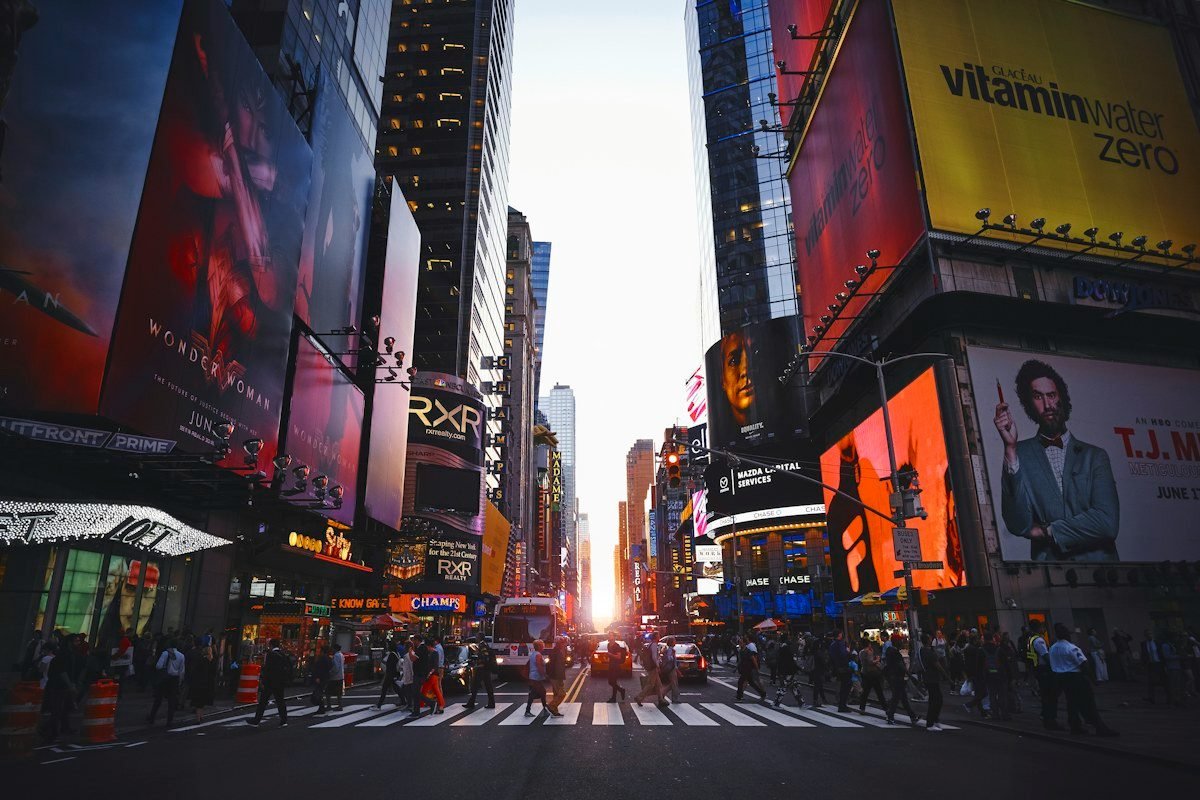
Plan My First ShipmentCities & Landmarks Our Cargo Serves
How to Import from Brazil to North America
From your first message to cargo cleared at your port.
Share your requirement
Product, specification, volume, port (e.g. New York, Houston, Montreal, Veracruz) and Incoterm.
Receive a verified offer
A sourced Brazilian origin, price basis, shipment window and documents list.
Contract & compliance
Specs, inspection, payment terms. Your broker confirms the HTS code and duty.
Loading & inspection
Independent surveyors check quality and weight at Santos or Paranaguá.
Shipment & documents
Bill of lading, certificate of origin, phytosanitary and quality certificates sent ahead of arrival.
Arrival & clearance
Your broker clears the cargo with CBP, CBSA or Mexican customs, ready for delivery.
Build Your North America Inquiry
What do you want to import?
Where should it arrive?
Questions from North American Buyers
Is Brazilian coffee subject to US tariffs in 2026?
Under the US measures applied from 15 July 2026, green coffee, roasted coffee and unflavoured instant coffee from Brazil were placed on the exemption list for the additional tariff. Confirm the duty for your exact HTS code with your customs broker before you contract.
Is Brazilian orange juice exempt from the new US tariff?
Yes. Orange juice, citrus pulp and citrus essential oils were exempted from the additional tariff confirmed in July 2026. Brazil remains the main supplier of orange juice to the United States.
How long does shipping from Brazil to the US take?
As an indicative guide, about 15–20 days from Santos to US East Coast ports like New York/New Jersey or Savannah, 18–24 days to Houston or New Orleans, and 25–33 days to Los Angeles or Oakland via the Panama Canal.
Do you supply buyers in Canada and Mexico?
Yes. We supply Canadian buyers through Montreal, Halifax and Vancouver, and Mexican buyers through Veracruz, Altamira, Manzanillo and Lázaro Cárdenas, with documents prepared for CFIA, CBSA, SENASICA and Mexican customs.
Which trade terms do you offer to North American importers?
FOB Santos or Paranaguá, or CFR and CIF to your nominated North American port. Other terms can be discussed case by case.
What do I need to send for a quotation?
The product and specification, quantity and unit, destination port, packaging, Incoterm, company name, business email and phone or WhatsApp. Our quote form collects everything in one step.
New York · Miami · Houston · Toronto · Vancouver · Mexico City
Bring Brazilian Coffee, Juice and Grains to Your North American Port
Tell us your product, volume and destination. We’ll respond with a clear, verified offer.