
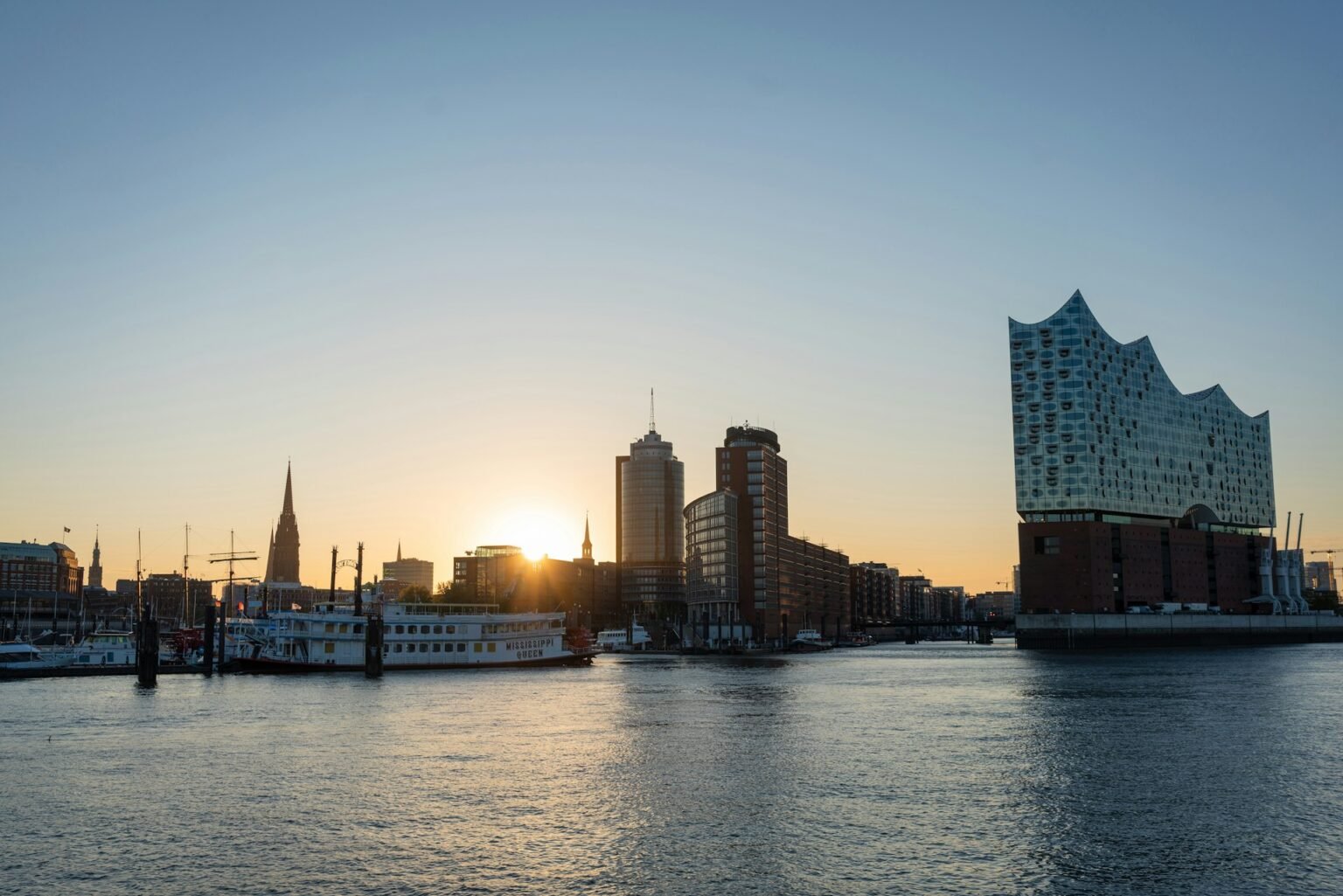
Brazilian Soy, Coffee, Orange Juice & Sugar for Europe — from Rotterdam to the Mediterranean
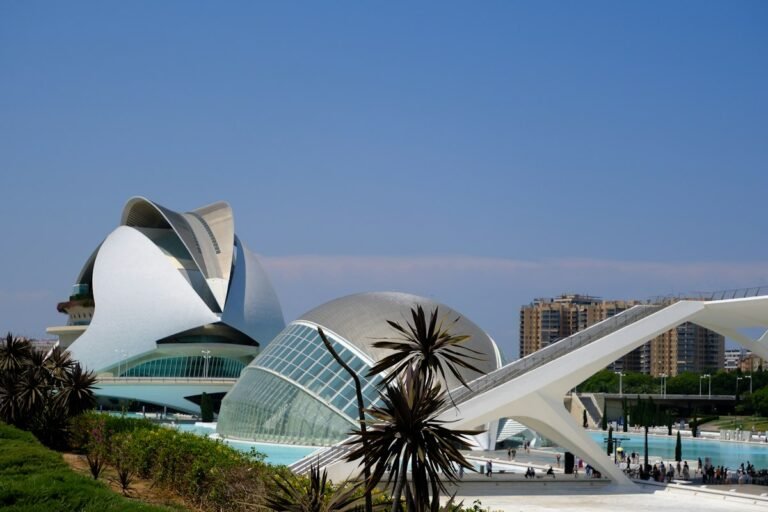
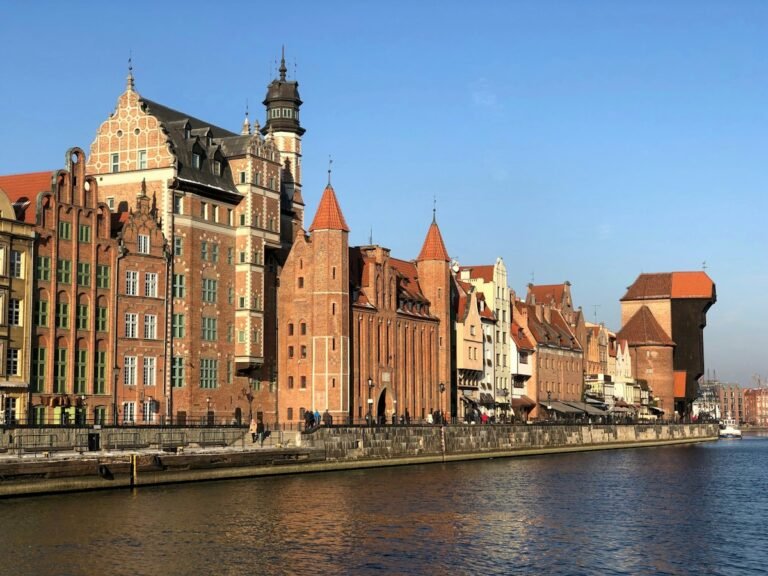
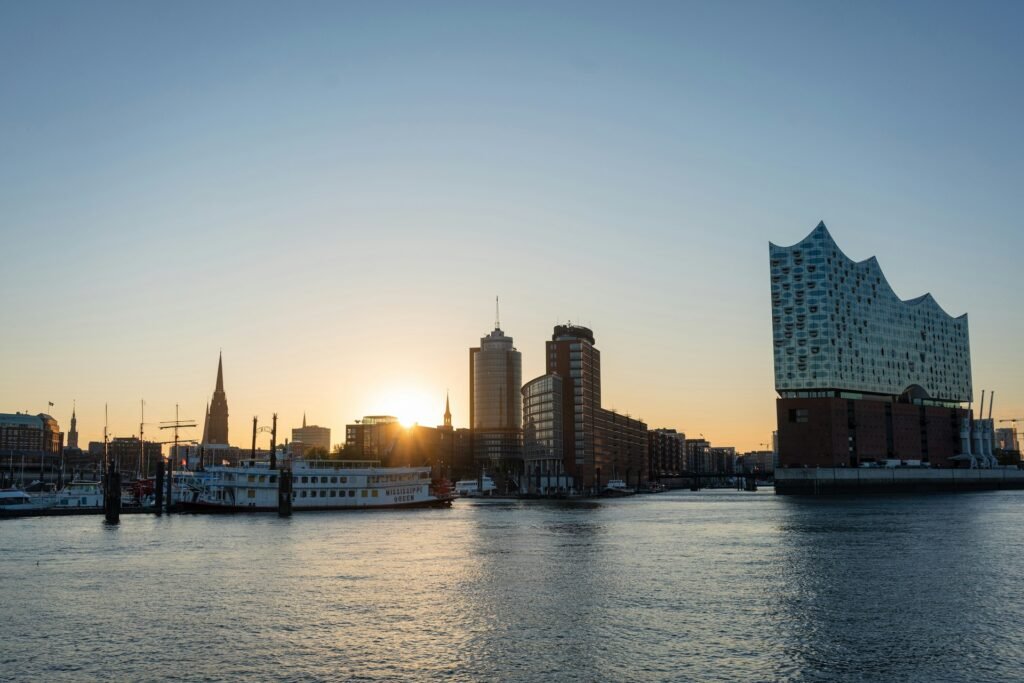
Kolash Group supplies European importers, crushers, roasters, juice processors and food manufacturers with Brazilian agricultural commodities — traceable, EUDR-ready and shipped from Santos and Paranaguá to Rotterdam, Antwerp, Hamburg, Le Havre, Valencia, Genoa and Gdańsk.
We speak English · Português · Español · Français
Why European Buyers Source from Brazil
Does Kolash Group supply European markets?
Yes. Kolash Group, based in São Paulo, supplies Brazilian soybeans and soybean meal, green coffee, orange juice, sugar, corn and vegetable oils to importers across Northern, Southern, Western and Central & Eastern Europe on FOB, CFR or CIF terms — with traceability information for EU rules.
Brazil is Europe’s leading origin for many staples: the largest supplier of coffee and orange juice and a key source of soy protein for European feed. With the EU–Mercosur interim trade agreement provisionally applied since May 2026, trade between Brazil and Europe is entering a new phase.
At the same time, European buyers face strict requirements — from the EU Deforestation Regulation to residue limits. Our role is to deliver Brazilian supply that is documented, traceable and ready for those rules.
A Premium Market Opening Wider to Brazil
A large, high-value consumer market, a new trade agreement and clear sustainability rules make Europe one of the most important destinations for Brazilian agriculture.
US$ of Brazilian agribusiness exports to the EU in 2025
MAPA, Jan 2026The EU is Brazil’s second-largest agribusiness destination after China
MAPA, 2025Mercosur countries in the EU interim trade agreement (incl. Brazil)
KPMG / EU, Apr 2026of Brazilian orange juice export revenue comes from the EU
Comex Stat, H2 2024Key dates for Brazil–EU trade
- Jan 2026EU Council approves signature of the EU–Mercosur agreement
- 1 May 2026Interim trade agreement provisionally applied — tariff cuts start on selected products
- 30 Dec 2026EUDR applies to large and medium operators (soy, coffee and more)
- 30 Jun 2027EUDR applies to micro and small operators
High-value demand
European roasters, crushers, juice processors and food brands buy consistent quality at scale.
New tariff access
The EU–Mercosur interim agreement reduces or removes tariffs on selected Brazilian products.
World-class ports
Rotterdam, Antwerp and Hamburg connect Brazilian cargo to the whole continent by rail, barge and road.
Clear rules
EUDR and food-safety rules reward suppliers who can prove traceability — our focus from day one.
Four European Regions, One Brazilian Partner
Choose a region to see its key countries, ports, business areas, landmarks and the Brazilian commodities we supply there.
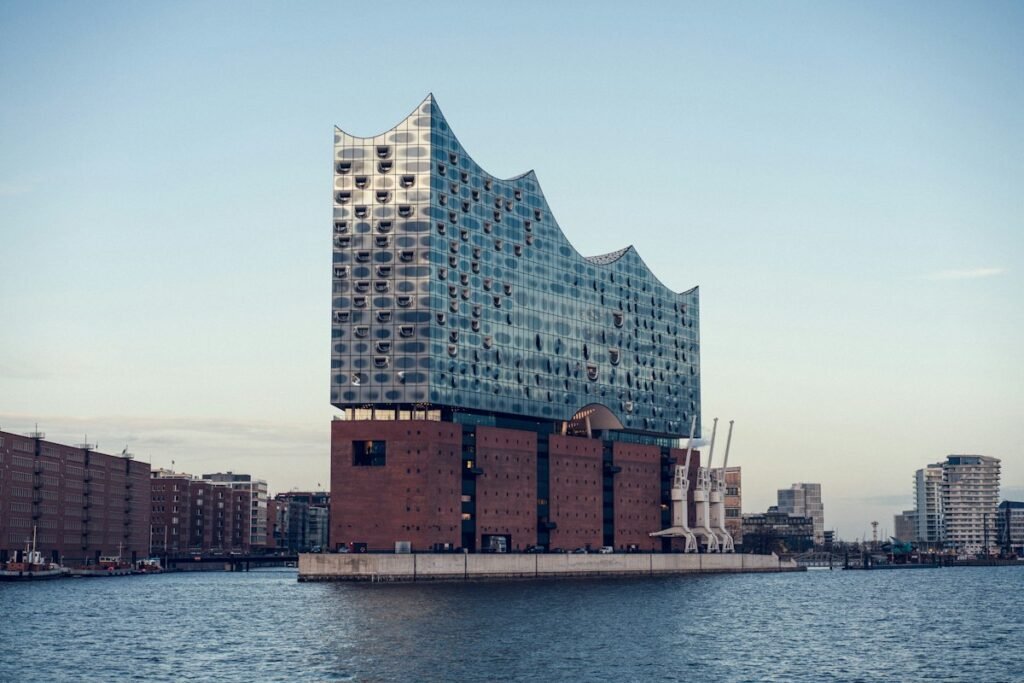

Brazilian Commodities for Northern Europe
- Key countries
- Germany · Netherlands · Belgium · Denmark · Sweden · Finland
- Discharge ports
- Rotterdam · Antwerp-Bruges · Hamburg · Bremerhaven · Amsterdam · Ghent
- Main business areas
- Rhine–Ruhr, Randstad, Flanders, Hamburg & Bremen, Copenhagen
- Typical cargo format
- Bulk vessels for soy and grains; containers for coffee; dedicated juice tankers and terminals for orange juice.
What we supply
Good to know
- Rotterdam, Antwerp and Hamburg are Europe’s main gateways for Brazilian soy, coffee and juice.
- Roasters and crushers expect EUDR traceability data from origin.
- Sustainability certifications are often requested alongside contracts.
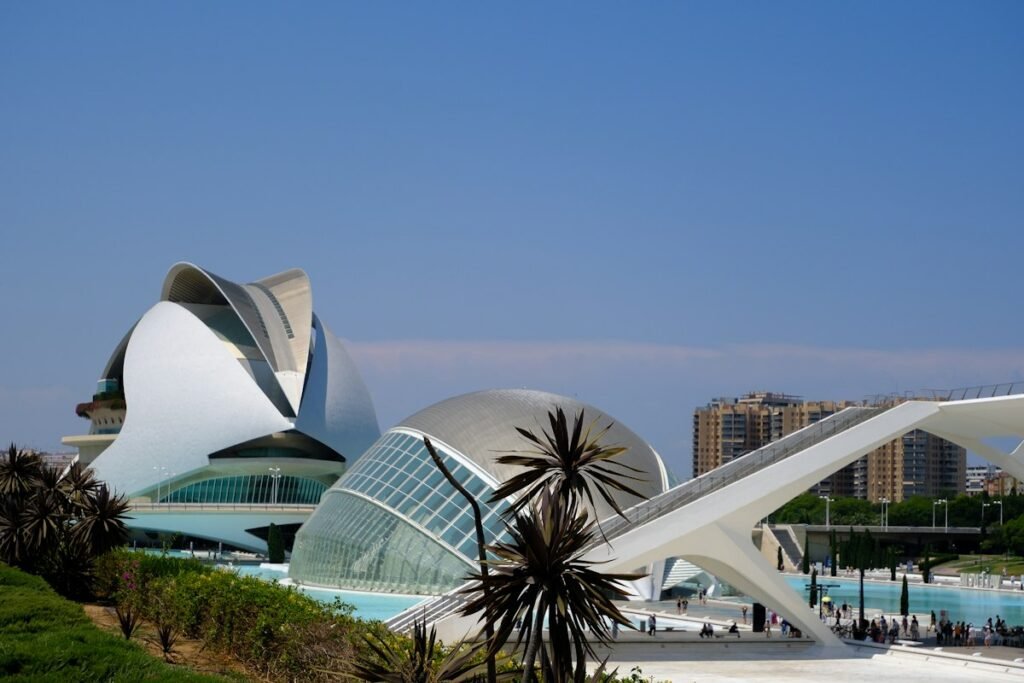

Brazilian Commodities for Southern Europe
- Key countries
- Spain · Italy · Portugal · Greece
- Discharge ports
- Valencia · Barcelona · Algeciras · Sines · Lisbon · Genoa · Trieste · Piraeus
- Main business areas
- Madrid–Valencia–Catalonia, Northern Italy, Lisbon & Porto, Athens
- Typical cargo format
- Bulk vessels for feed grains and soymeal; containers for coffee, oils and specialty lots.
What we supply
Good to know
- Large livestock and feed industries make Spain and Italy key buyers of soymeal and corn.
- Portuguese-speaking Portugal shares language and long trade history with Brazil.
- Mediterranean ports also serve as hubs for North Africa and the Balkans.

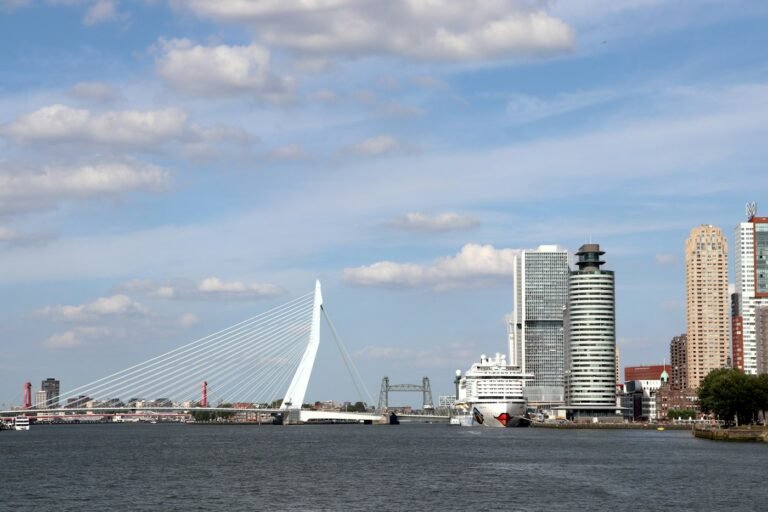
Brazilian Commodities for Western Europe
- Key countries
- France · United Kingdom · Ireland
- Discharge ports
- Le Havre · Dunkirk · Marseille-Fos · Felixstowe · Liverpool · Dublin
- Main business areas
- Paris & Normandy, Lyon, London & the Midlands, Dublin
- Typical cargo format
- Bulk and containers; juice via North European terminals; bagged or bulk sugar for refiners and food makers.
What we supply
Good to know
- The UK is outside the EU — UK import rules and UK forest-risk legislation apply separately.
- French and English documentation available.
- Many buyers source through North European hub ports.
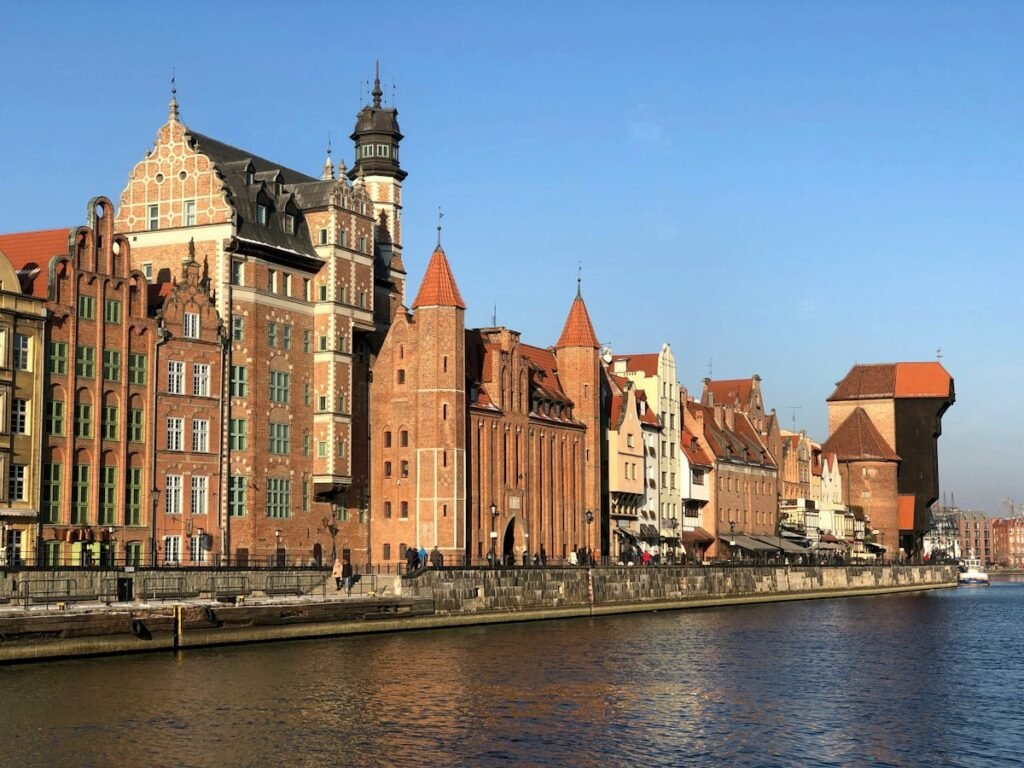
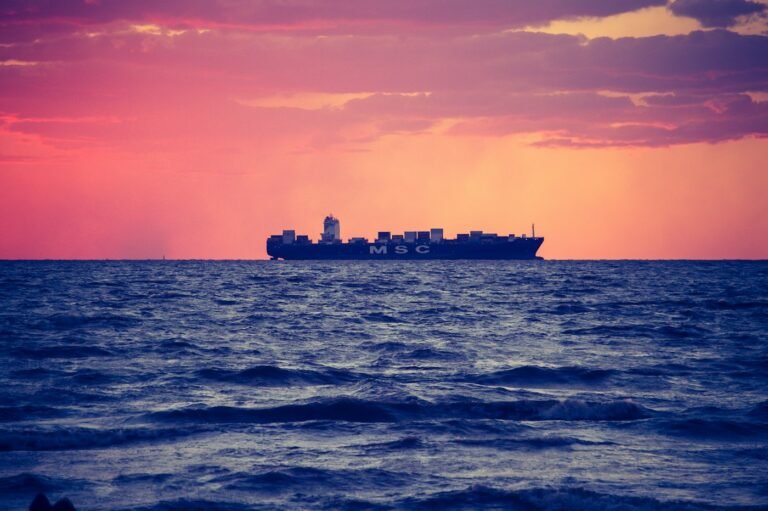
Brazilian Commodities for Central & Eastern Europe
- Key countries
- Poland · Romania · Baltic States · Czechia · Slovakia · Hungary
- Discharge ports
- Gdańsk · Gdynia · Klaipėda · Constanța · Koper
- Main business areas
- Warsaw & Tri-City, Bucharest, Baltic capitals, Prague
- Typical cargo format
- Bulk via Baltic ports or transhipment through Rotterdam / Antwerp; containers for coffee and oils.
What we supply
Good to know
- Fast-growing poultry and feed sectors in Poland drive soymeal demand.
- Many cargoes reach the region via North Sea hubs and rail or barge.
- EU rules apply in full, including EUDR for soy and coffee.
Europe’s Weight in Brazil’s Export Data
Three numbers that show how important Europe is for Brazilian agricultural exports.
EUDR-Ready Brazilian Soy and Coffee
What is the EUDR?
The EU Deforestation Regulation (EUDR) requires companies placing soy, coffee, cattle, cocoa, palm oil, rubber and wood products on the EU market to prove they are deforestation-free, legally produced and traceable to the plot of land. It applies from 30 December 2026 for large and medium operators and from 30 June 2027 for micro and small operators.
For Brazilian soy and coffee, compliance starts at origin. We work with suppliers who can provide plot geolocation, land-use evidence and documentation, so your due-diligence statement is built on verifiable data.
EU compliance checklist
- Geolocation of production plotsCoordinates of the land where soy or coffee was produced.
- Deforestation-free since 31 Dec 2020No deforestation on the plots after the EUDR cut-off date.
- Legal productionCompliance with Brazilian laws on land use, labour and environment.
- Due-diligence statementInformation and risk assessment supporting your EUDR statement.
- Maximum residue limits (MRLs)Pesticide residues within EU limits, verified by lab analysis.
- Phytosanitary & origin certificatesMAPA phytosanitary certificate and certificate of origin.
General information, not legal advice. Requirements are confirmed for each contract and destination.
How to Import Brazilian Commodities into Europe in 6 Steps
A clear, documented path — built around EU traceability, quality and customs requirements.

- 1Day 1
Share your requirement
Product, specification, volume, destination port, delivery period and trade term — plus any sustainability or certification needs.
- 2Days 1–3
EU compliance check
We map the EU rules that apply: EUDR traceability for soy and coffee, maximum residue limits, food-safety and certificate requirements.
- 3Week 1–2
Offer & contract
Written offer and contract on FOB, CFR or CIF terms, using recognised standards such as ANEC, FOSFA or GAFTA where agreed.
- 4Weeks 2–6
Traceable sourcing
Supply from verified Brazilian producers with plot geolocation and due-diligence information prepared for your EUDR statement.
- 5Weeks 4–8
Inspection, loading & documents
Independent inspection, loading in Santos or Paranaguá, phytosanitary certificate, certificate of origin and traceability file.
- 6≈ 2–3 weeks at sea
Transit & EU arrival
ETA updates, document release and support for EU customs and import formalities at your port.
European Ports We Ship To
Filter by region to see the main discharge ports and approximate ocean transit time from Santos.
Approximate transit from Santos; actual times depend on vessel, route, transshipment and port calls.
Estimate Arrival & Landed Price in Seconds
Two quick tools to plan your next Brazilian shipment to Europe. Results are indicative — every offer confirms exact dates and prices.
Arrival Date Estimator
Santos → your European port
CFR / CIF Price Estimator
Enter your own numbers (US$ per MT)
Illustrative only. Transit times are approximate; insurance is calculated on 110% of CIF value, a common market convention. Prices and freight change daily — request a firm quote.
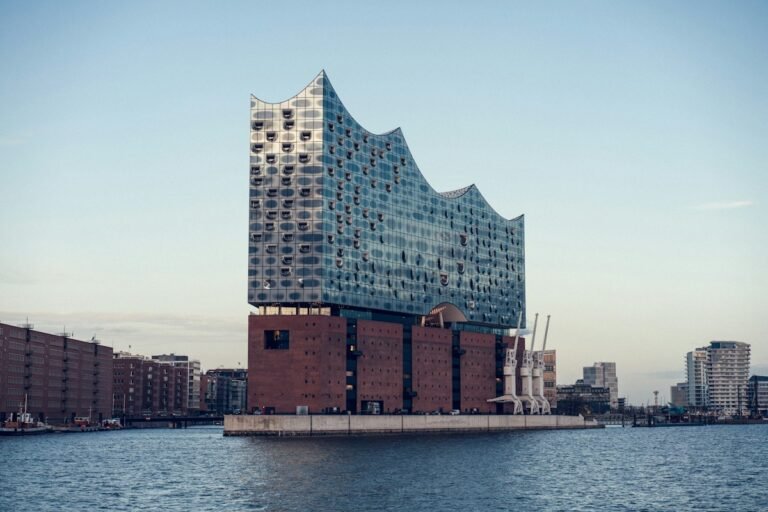

How We Make Brazil–Europe Trade Work for You
Traceability from origin
Plot geolocation, supplier data and land-use evidence prepared for EUDR due diligence.
EU quality standards
Specifications and lab analysis aligned with EU residue limits and food-safety rules.
Recognised contract forms
ANEC, FOSFA or GAFTA-based contracts where agreed, with independent inspection.
Hub-port logistics
Shipments to Rotterdam, Antwerp or Hamburg with onward distribution across Europe.
EU–Mercosur ready
Certificates of origin and documents prepared to support preferential tariff treatment where available.
One São Paulo contact
A single point of contact from first enquiry to vessel arrival, with milestone updates.
Questions from European Importers
Which Brazilian commodities does Europe import most?
Europe is a major buyer of Brazilian soybeans and soybean meal, green coffee and orange juice, as well as corn and vegetable oils. In 2025 the EU took US$ 25.2 billion of Brazilian agribusiness exports — 14.9% of the total (MAPA).
How does the EUDR affect Brazilian soy and coffee?
The EU Deforestation Regulation requires operators to show that soy, coffee and other covered products are deforestation-free (no deforestation after 31 December 2020), legally produced and traceable to the plot of land. It applies from 30 December 2026 for large and medium operators and from 30 June 2027 for micro and small operators.
What is the status of the EU–Mercosur agreement?
The EU–Mercosur interim trade agreement has been provisionally applied since 1 May 2026 for Argentina, Brazil, Paraguay and Uruguay, reducing or eliminating tariffs on selected products while full ratification continues.
How long does shipping from Brazil to Rotterdam take?
Ocean transit from Santos to Rotterdam or Antwerp is roughly 14–20 days, depending on vessel, route and port calls.
Can Kolash Group supply orange juice to Europe?
Yes. Brazilian FCOJ and NFC orange juice is shipped to Europe in dedicated juice tankers or aseptic drums in reefer containers. The EU is the main destination for Brazilian orange juice, with about 55% of export revenue in the second half of 2024.
Which contracts and trade terms are used for European shipments?
We commonly trade on FOB, CFR or CIF terms, using standard forms such as ANEC for soy and corn, FOSFA for oils and GAFTA where agreed, with independent inspection at loading.
Importing Brazilian Soy, Coffee or Juice into Europe?
Tell us your port, product, volume and compliance needs. Our São Paulo team will reply with availability, traceability information and a written offer.
Last updated: · Sources: MAPA (2025 exports), Cecafé via Datamar (coffee 2025), Comex Stat via Eurofruit (orange juice H2 2024), KPMG (EU–Mercosur, Apr 2026), Stibbe (EUDR amendment) · Related: Coffee · Soy · Orange juice