
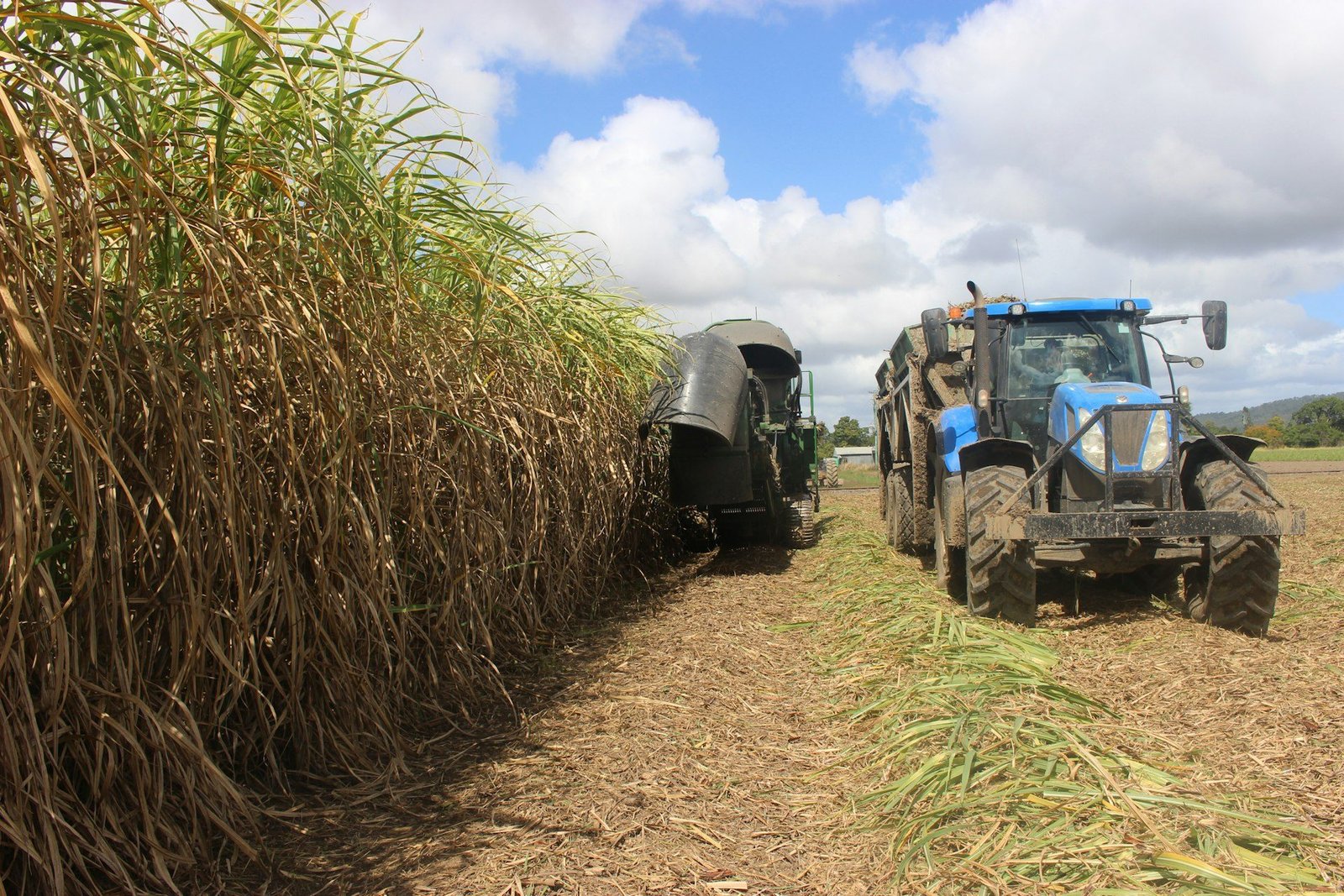
Brazilian Sugar: VHP Raw & ICUMSA 45 for Global Buyers
Cane sugar from São Paulo, Goiás, Minas Gerais and Brazil’s North-East — sourced by Kolash Group in São Paulo and shipped in bulk, big bags or 50 kg bags from Santos, Paranaguá and Maceió.
Is Brazil the world’s largest sugar exporter?
Yes. Brazil is the world’s largest producer and exporter of sugar. Its Centre-South region made 40.4 million tonnes of sugar in 2025/26, and USDA forecasts Brazilian sugar exports of about 33.6 million tonnes in 2026/27. Conab expects a record 709.1 million tonnes of sugarcane in 2026/27.
Kolash Group supplies VHP raw sugar for refineries and ICUMSA 45 refined white sugar for food and beverage buyers, on FOB, CFR or CIF terms.
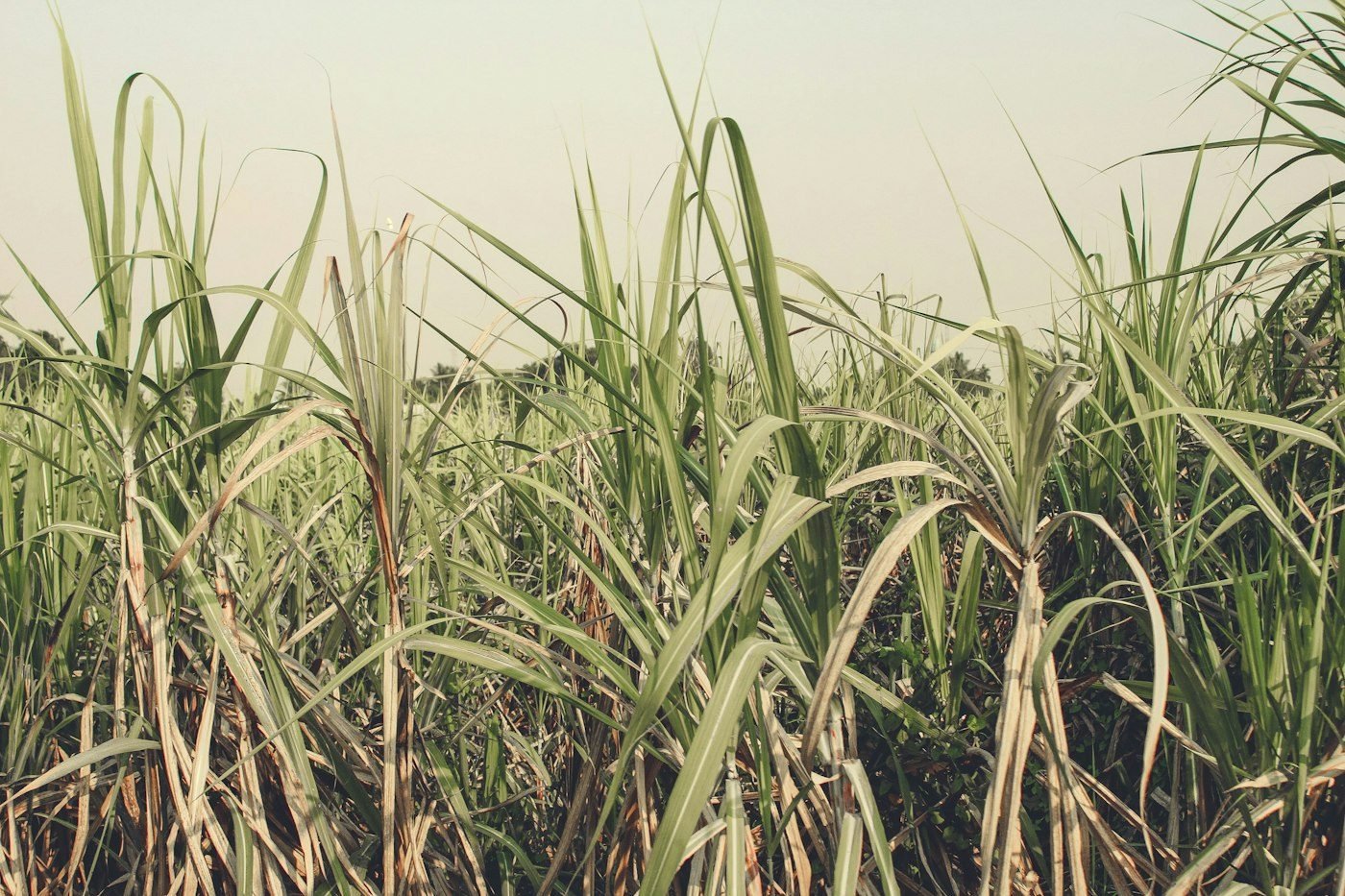
From Raw to Refined: Choose Your Grade
ICUMSA units measure sugar colour — the lower the number, the whiter and purer the sugar. Tap a grade on the scale.
ICUMSA ranges shown are common trade descriptions. Exact specifications — polarisation, moisture, ash, colour and granulometry — are agreed in each contract and confirmed by independent inspection.
How Brazilian Sugar Is Made
Brazil’s flex mills turn sugarcane into sugar or ethanol. Tap a step to follow the process.
The Sugar Mix Decides Supply
Brazilian mills choose daily how much cane juice goes to sugar or ethanol. That “sugar mix” moves world supply.
2026/27 Sugar Forecasts Compared
Forecasters disagree on how much sugar Brazil will make in 2026/27, mainly because of the sugar-versus-ethanol mix.
Brazil sugar production, 2026/27 forecasts
Million tonnes · grey bar = 2025/26 Centre-South actual
Where the cane grows
Sugarcane crop 2026/27 · Conab first estimate
Sources: SAFRAS & Mercado (with Conab and USDA forecasts) · UNICA 2025/26 final via CropGPT · Conab cane estimate. SAFRAS figure covers the Centre-South only; “Other regions” is derived from Conab’s total.
Brazilian Sugar Is Available All Year
The Centre-South and the North-East harvest cane in opposite seasons, so Brazilian sugar is in production almost year-round.
Brazil’s Sugar Regions & Landmarks
São Paulo state
The world’s largest sugarcane cluster, centred on Ribeirão Preto, Sertãozinho and Piracicaba, a few hours from the Port of Santos.
Ribeirão Preto & Sertãozinho
Known as Brazil’s sugar and ethanol capital, with dense clusters of mills and equipment makers.
- Landmark: Theatro Pedro II, Ribeirão Preto
- Port: Santos by rail and road
- Grades: VHP and refined white
Piracicaba
Home of ESALQ, the University of São Paulo’s agricultural college, a centre of sugarcane research.
- Landmark: Rua do Porto on the Piracicaba River
- Port: Santos
- Known for: cane breeding & mill technology
Goiás & Mato Grosso do Sul
Expanding cane frontier around Quirinópolis, Rio Verde and Dourados, with modern flex mills.
- Landmark: Pirenópolis, Bonito
- Port: Santos, Paranaguá
- Cane: 154.5 Mt in the Centre-West
Triângulo Mineiro (MG)
Uberaba and Uberlândia mills sit between São Paulo and Goiás on major rail corridors.
- Landmark: Serra da Canastra
- Port: Santos
- Grades: VHP and crystal sugar
Alagoas & Pernambuco
Brazil’s historic sugar coast, harvesting September to March and shipping from Maceió and Suape.
- Landmark: Olinda’s historic centre
- Port: Maceió, Suape (Recife)
- Season: opposite to the Centre-South
How Brazilian Sugar Ships
 🚢
Bulk vessel
VHP raw sugar loaded loose at dedicated sugar terminals in Santos and Paranaguá.
Refineries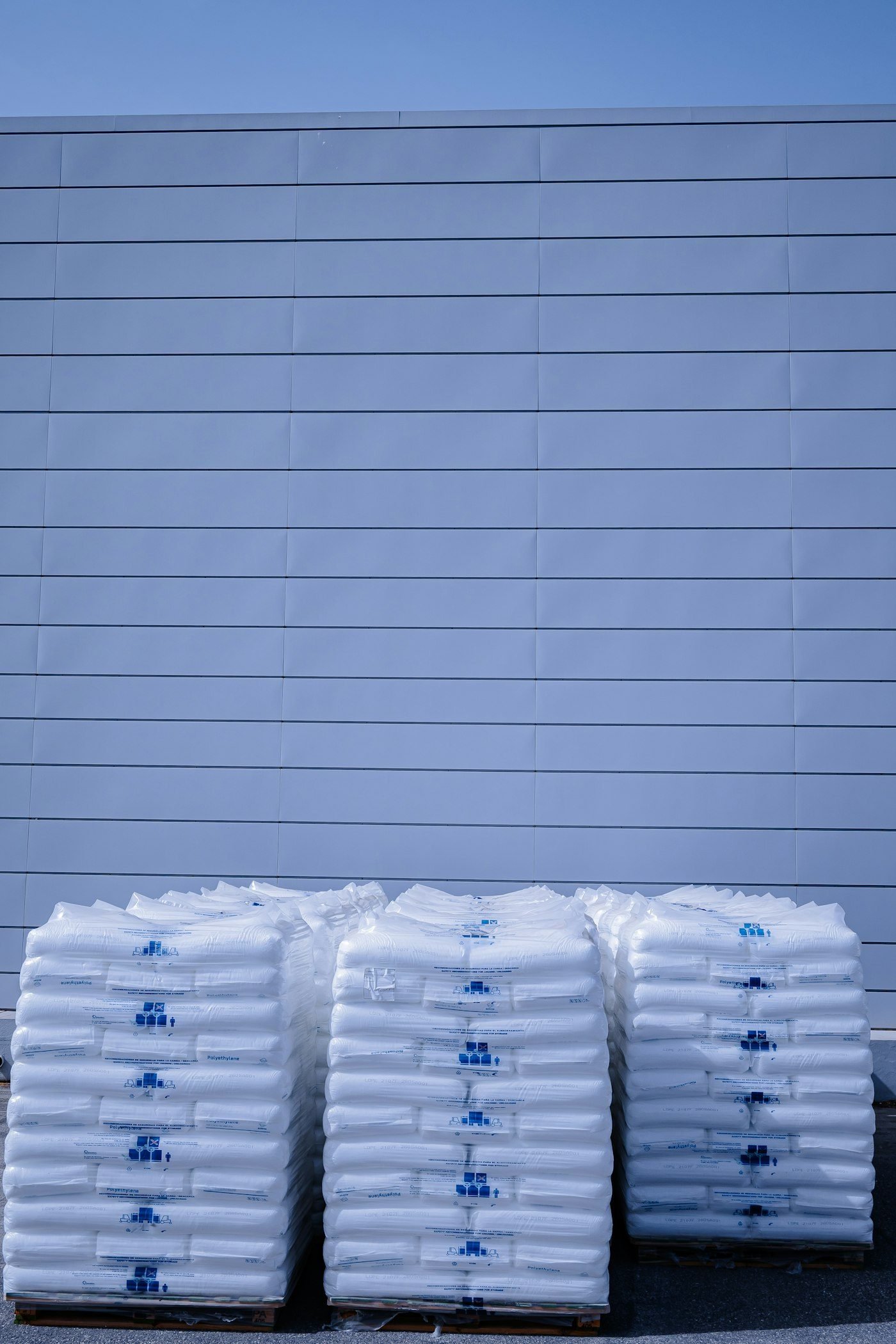 🛍️
50 kg bags
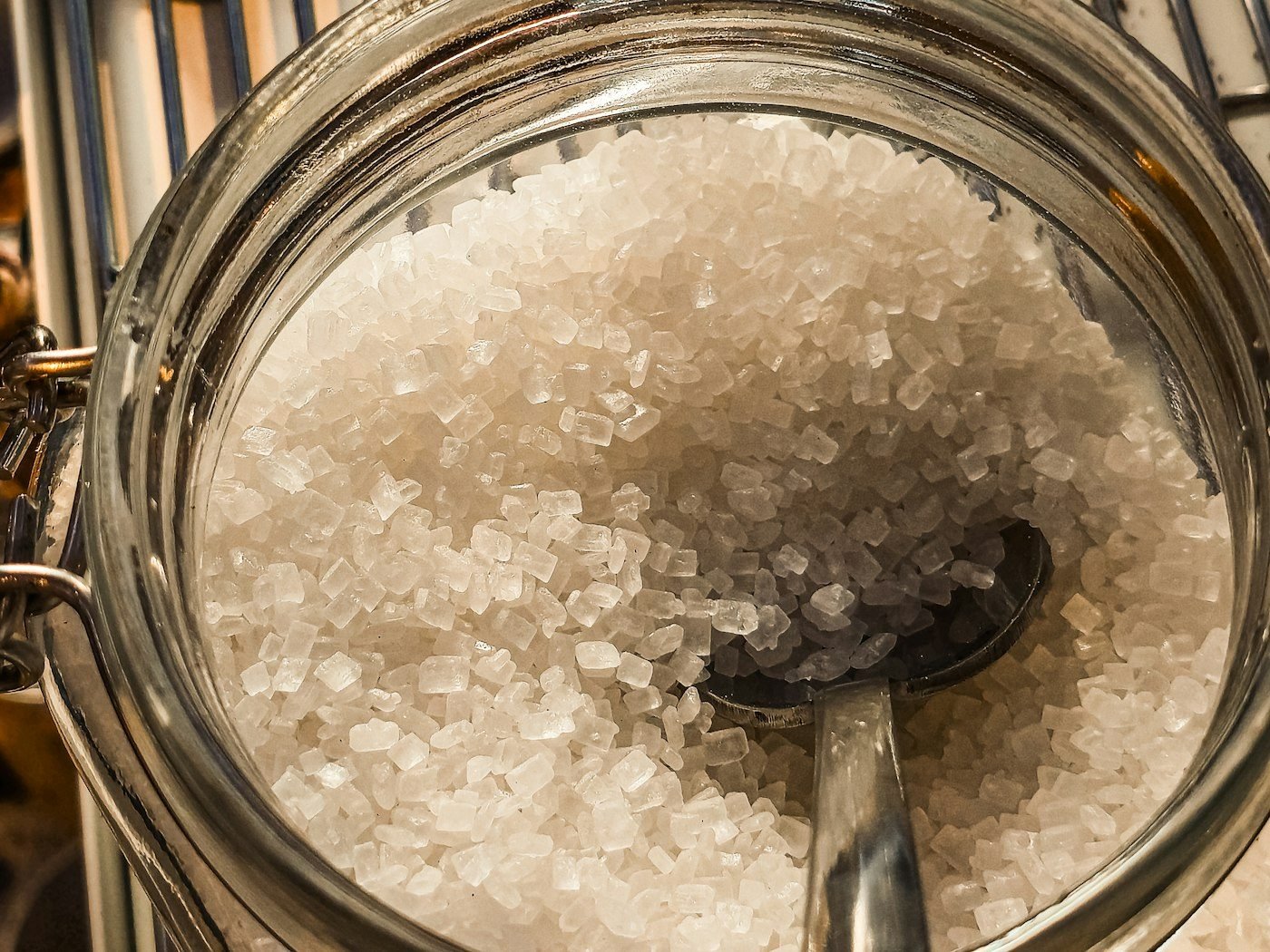
Refined or crystal sugar in polypropylene bags, shipped break-bulk or in containers.
Distributors · food industry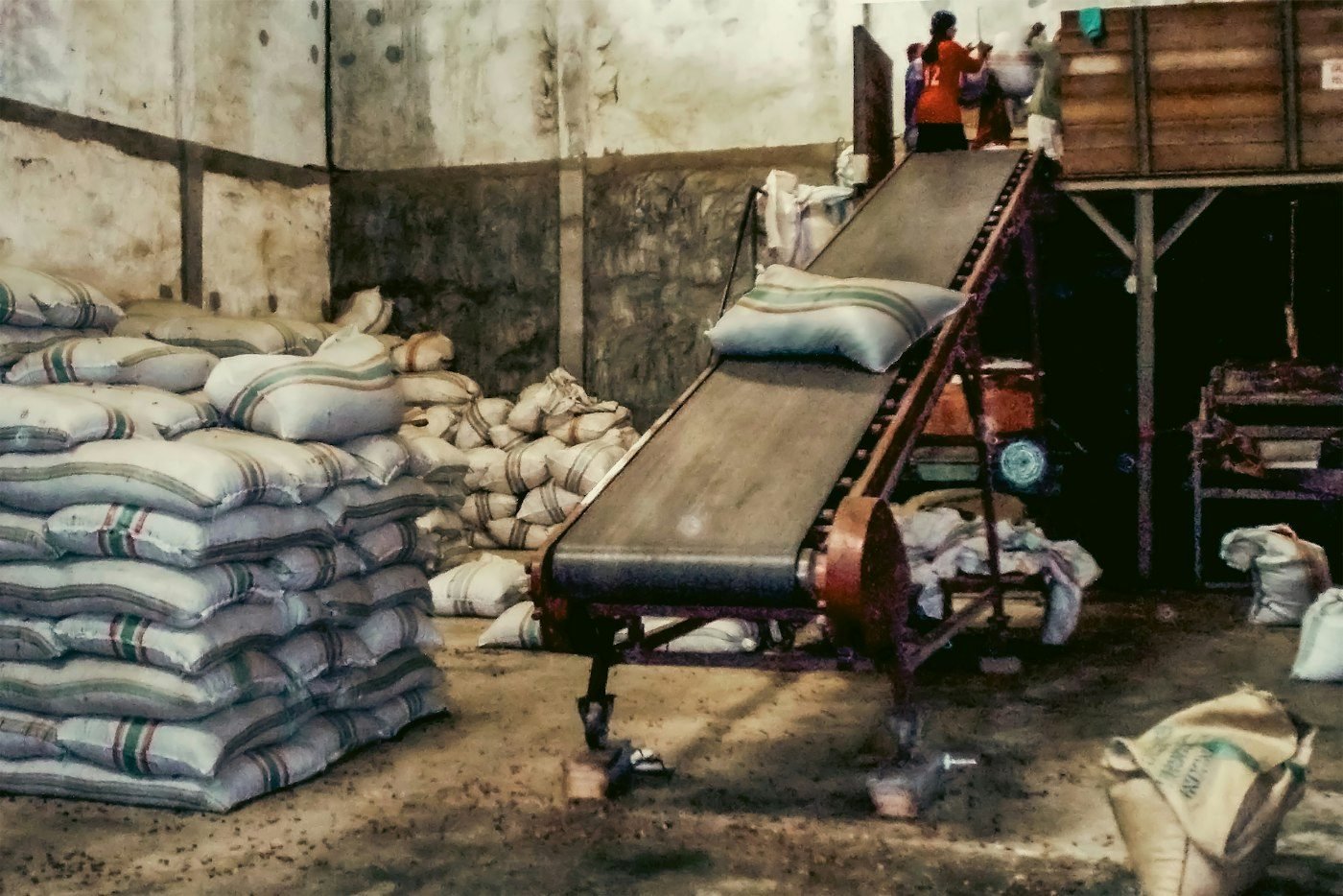 📦
Big bags
Around one-tonne jumbo bags for industrial users that handle sugar in bulk on site.
Beverage & food plants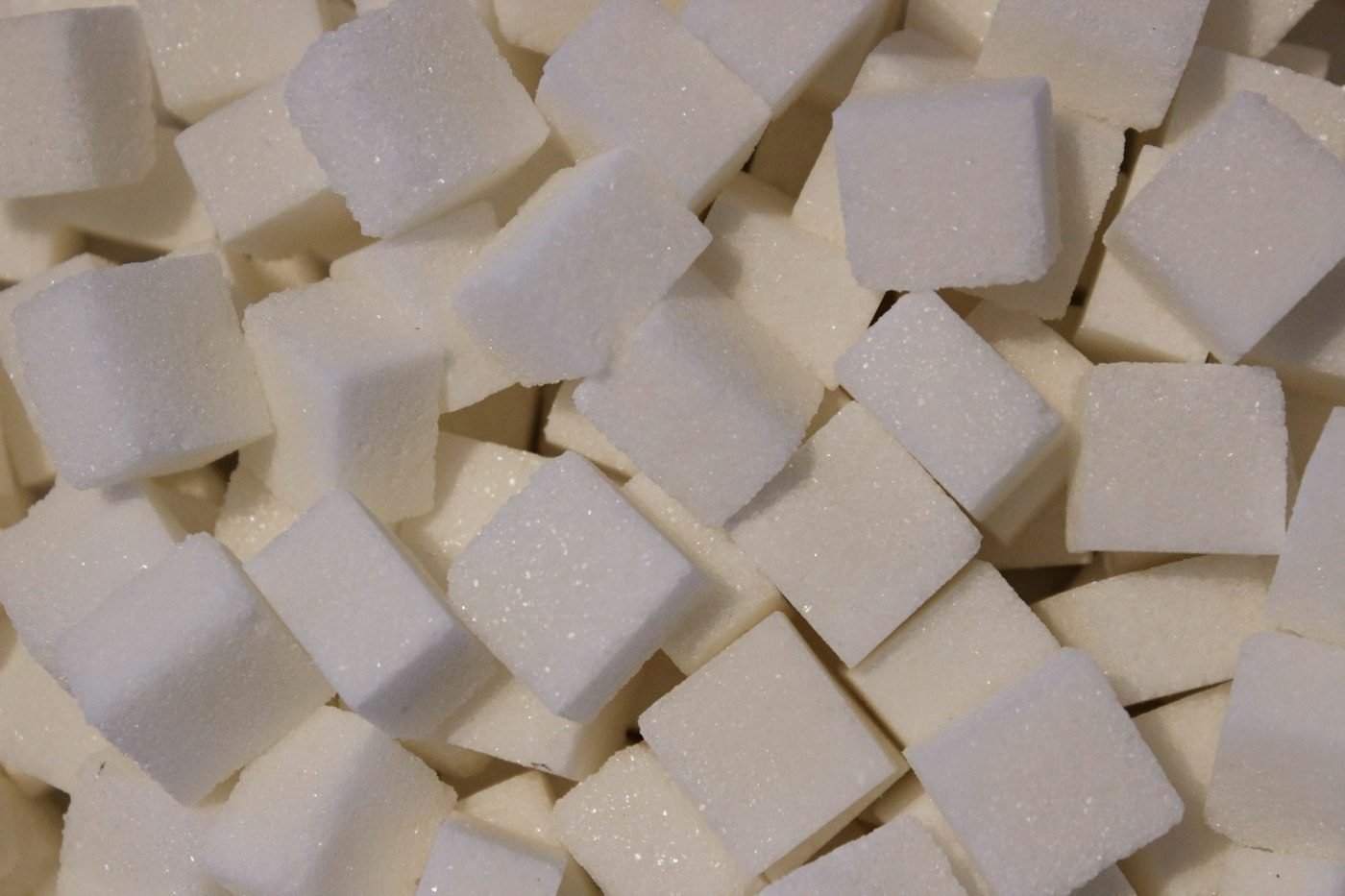 🧊
Containers
Bagged sugar in 20′ containers — ideal for smaller ports and phased deliveries.
Smaller importers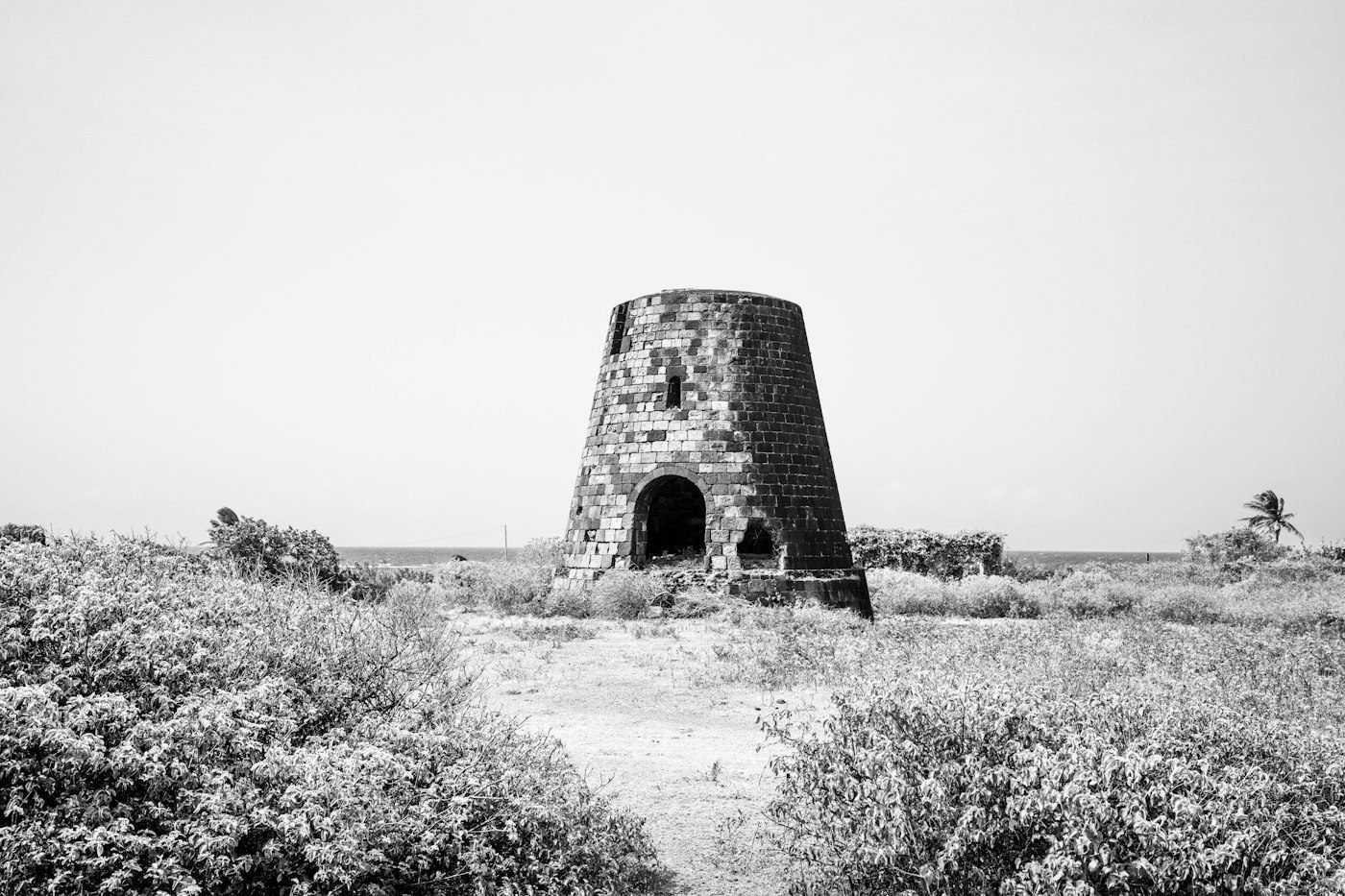
Brazil’s Sugar Story Began Near Santos
Some of the Americas’ first sugar mills were built on the coast of São Paulo in the 1500s. Today the same region exports sugar to the world through the Port of Santos.
Early sugar mills are founded around São Vicente; the ruins of the Engenho São Jorge dos Erasmos still stand in Santos.
Pernambuco and Bahia make colonial Brazil the world’s leading sugar producer.
The Proálcool programme launches cane ethanol, creating today’s flex sugar-ethanol mills.
Brazil leads world sugar exports, with a record 709.1 Mt cane crop forecast for 2026/27.
Build Your Sugar Inquiry
1 · Grade
2 · Packing
3 · Trade term
4 · Quantity: 25,000 t
- GradeVHP raw
- PackingBulk vessel
- Trade termCFR
- Quantity25,000 t
- Approx. 20′ containers962
Bulk VHP is typically traded in large vessel lots for refineries.
Send This InquiryBrazilian Sugar Questions
What is the difference between VHP and ICUMSA 45 sugar?
VHP (Very High Polarization) is raw cane sugar, light brown in colour, sold mainly to refineries for further processing. ICUMSA 45 is refined white sugar with very low colour, ready for food and beverage use.
How much sugar does Brazil export?
USDA forecasts Brazil’s sugar exports at about 33.6 million tonnes in 2026/27, compared with 34.1 million tonnes in 2025/26.
When is Brazilian sugar harvested?
The Centre-South, which makes most of Brazil’s sugar, crushes cane from about April to November. The North-East harvests from about September to March, so production runs almost all year.
Which ports ship Brazilian sugar?
Santos is the world’s largest sugar export port, followed by Paranaguá. North-Eastern sugar ships from Maceió and Suape.
How is Brazilian sugar packed for export?
Raw VHP sugar usually ships loose in bulk vessels. Refined and crystal sugar ship in 50 kg bags or big bags, either break-bulk or in containers.
What is the HS code for cane sugar?
Cane sugar falls under HS heading 1701 — raw cane sugar under 1701.14 and refined white sugar under 1701.99 in most tariffs. Your customs broker confirms the exact national code.
Source Brazilian Sugar With Confidence
Tell us the grade, packing, quantity and destination port. Our São Paulo team will reply with a verified offer.