

Brazilian Agricultural Commodity Insights for International Buyers
Data-led analysis, buyer guides and market updates on Brazil’s soybeans, corn, sugar, rice, coffee, orange, vegetable oils and wheat — written from São Paulo for importers in Africa, Europe, the Middle East and North America.
Brazil’s Agricultural Market in Numbers
The headline figures every buyer of Brazilian commodities should know, from Brazil’s official sources. Updated .
Brazil’s total 2025/26 grain harvest forecast.
Source: Conab, 12th survey, Sep 20262025/26 soybean crop, up 5.2% year on year.
Source: Conab, Sep 2026Record soybean shipments in calendar 2025, up 9.5%.
Source: MAPA, Jan 2026Three corn crops in 2025/26, incl. 112.1 Mt second crop.
Source: Conab, Sep 20262026 crop: 45.8 M Arabica + 20.9 M Conilon (60 kg bags).
Source: Conab, May 20262025 agribusiness exports — 48.5% of all Brazilian exports.
Source: MAPA, Jan 2026Brazil crop forecast 2025/26
Production, million tonnes (Mt)
Source: Conab, 12th grain survey, September 2026. Corn includes all three crops; wheat refers to the 2026 harvest.| Soybeans | 180.4 |
|---|---|
| Corn | 144 |
| Rice | 11.1 |
| Wheat | 5.7 |
Top destinations for Brazilian agribusiness exports
Export value in 2025, US$ billion
Source: Brazil’s Ministry of Agriculture and Livestock (MAPA), January 2026. China took 32.7% of the US$ 169.2 bn total.| China | 55.3 |
|---|---|
| European Union | 25.2 |
| United States | 11.4 |
Six Ways to Understand Brazilian Commodities
Choose a topic to see what it covers, the questions it answers and the analysis you can read right here on this page.
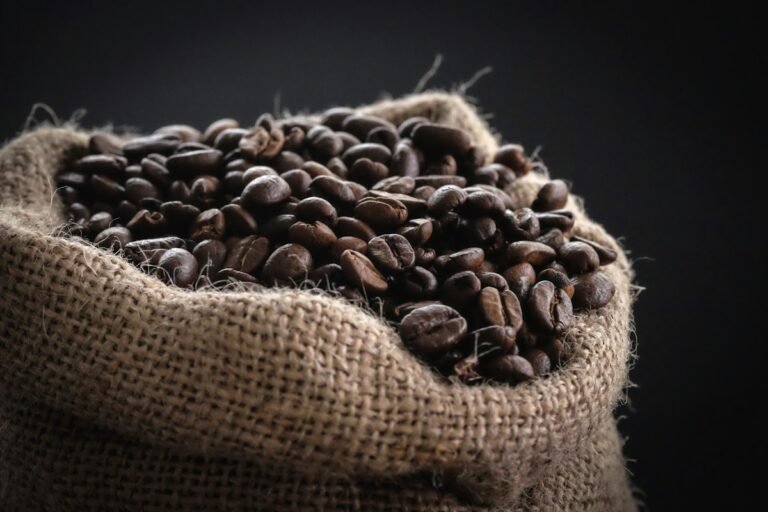
Commodity Insights
Product-by-product analysis of the eight Brazilian commodities we trade: grades, specifications, quality factors and what drives their prices.
Questions this category answers
- What specifications should I ask for?
- How do Brazilian grades compare with other origins?
- Which factors move prices for each product?
Read in this category
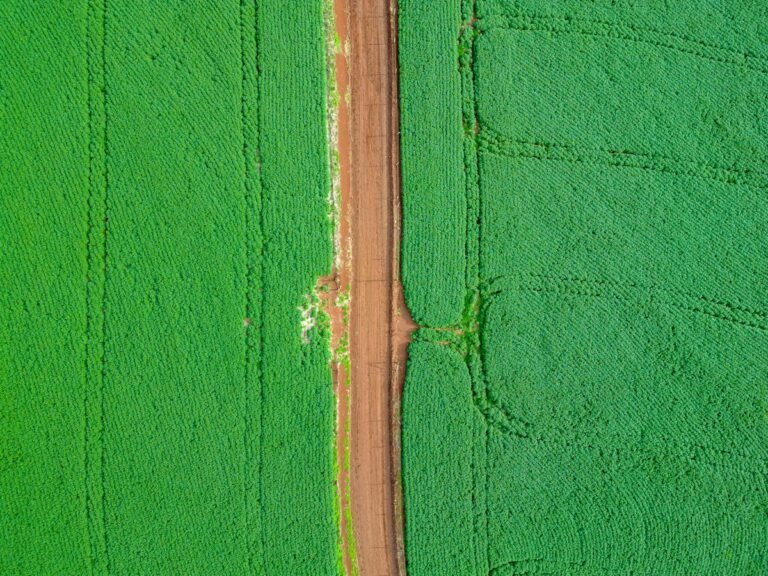
Brazil Agricultural Market
Crop forecasts, harvest progress, weather and policy in Brazil — translated into what they mean for your supply and timing.
Questions this category answers
- How big is this year’s harvest?
- When does new-crop supply arrive?
- How do weather and policy affect exports?
Read in this category
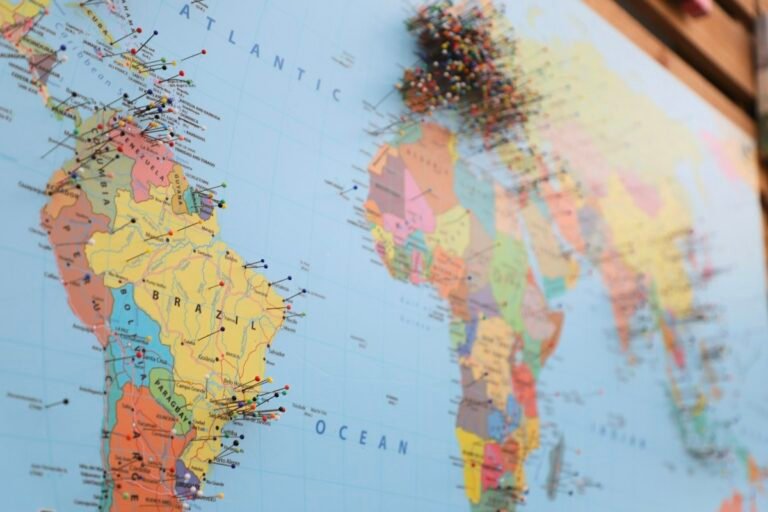
International Trade
Demand, trade flows, tariffs, agreements and regulations shaping trade between Brazil and Africa, Europe, the Middle East and North America.
Questions this category answers
- Who buys Brazilian commodities?
- What import rules apply in my country?
- How do trade agreements change costs?
Read in this category
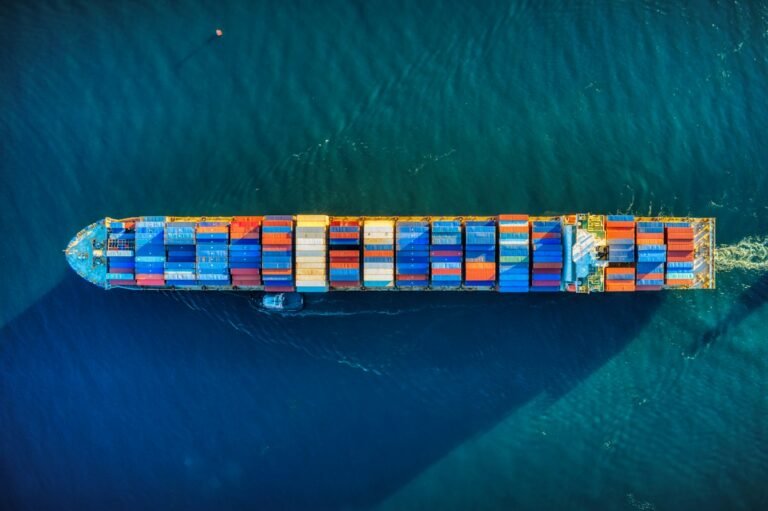
Export & Logistics
Ports, freight, line-ups, inspection and export documents — the practical side of moving commodities out of Brazil.
Questions this category answers
- Which port should my cargo load from?
- How long is ocean transit?
- Which documents will I receive?
Read in this category

Buyer Guides
Step-by-step guides for importers: specifications, Incoterms®, payment methods, quality control and placing a first order from Brazil.
Questions this category answers
- How do I place a first order?
- FOB, CFR or CIF — which is best?
- How do I protect quality and payment?
Read in this category
Market Updates
Short, dated notes on Brazilian crops, exports and prices: what changed, why it matters and what to watch next.
Questions this category answers
- What changed in the latest Conab report?
- How are exports tracking this season?
- What should I watch next month?
New articles in this category are in preparation. Suggest a topic
Read Our Analysis Without Leaving the Page
Practical, sourced guides from our São Paulo trading team. Filter by topic and open any article below.
How to Import Soybeans from Brazil: A Step-by-Step Guide
Brazil is the world’s largest soybean exporter, shipping a record 108.2 million tonnes in 2025. This guide walks first-time buyers through specification, timing, ports, contracts and documents.
1. Define the specification
Brazilian soybeans are usually traded on standard export terms such as those of ANEC, Brazil’s grain exporters’ association, with limits for moisture (commonly 14% max), foreign matter, broken and damaged beans. Agree every parameter and the analysis method in writing before you negotiate price.
2. Decide GMO status early
Most Brazilian soybeans are genetically modified. Non-GMO soybeans are available in smaller volumes, need segregated logistics and usually carry a premium — tell your supplier at the very start if you need them.
3. Time your purchase
The harvest runs mainly from January to May, so new-crop supply is strongest from about February to July. Buying in this window generally gives the widest choice of origins and shipment slots.
4. Choose port, term and vessel
Most soybeans leave through Santos, Paranaguá, Rio Grande, São Francisco do Sul, Itaqui or the Arco Norte terminals. Bulk vessels suit large lots; containers suit smaller volumes. Agree FOB, CFR or CIF with a named port.
5. Contract, inspection and documents
The contract should name the inspection company, payment method and documents: commercial invoice, bill of lading, MAPA phytosanitary certificate, certificate of origin and quality and weight certificates.
Safrinha Corn Explained: Why Brazil’s Second Crop Matters
Brazil’s second corn crop, the safrinha, is planted straight after the soybean harvest and now produces most of the country’s corn — and most of its corn exports.
What is safrinha?
Safrinha means “little harvest”, but the name is now misleading. Farmers in Mato Grosso, Paraná, Goiás and Mato Grosso do Sul plant corn immediately after harvesting soybeans, from about January to March, and harvest it from June to September.
How big is it?
Conab’s September 2026 survey expects 112.1 million tonnes from the second crop in 2025/26, out of roughly 144 million tonnes of total corn — close to four-fifths of Brazil’s output.
Why buyers should care
Because the second crop is harvested mid-year, Brazilian corn export supply peaks from about July to January. That makes Brazil a natural alternative to Northern Hemisphere origins in the second half of the year.
What to watch
Rainfall in April–May, when the crop fills grain, is critical. Freight from Mato Grosso to the ports, domestic demand from corn ethanol plants and competition from US and Argentine corn all influence availability and price.
ICUMSA 45 vs VHP Sugar: What Buyers Should Know
Brazil is the world’s leading sugar exporter. Its two main export grades — VHP raw sugar and ICUMSA 45 refined white sugar — serve very different buyers.
VHP raw sugar
Very High Polarization (VHP) sugar is raw cane sugar with high sucrose content, shipped mostly in bulk vessels to refineries that process it further. It is priced in relation to the ICE No. 11 raw sugar futures contract.
ICUMSA 45 white sugar
ICUMSA 45 is refined white sugar with a colour of 45 ICUMSA units or less, ready for food and beverage use. It is usually shipped in 50 kg bags or big bags, by container or break-bulk, and priced in relation to the London No. 5 white sugar contract.
Which one do you need?
Refiners buy VHP; distributors, food manufacturers and retail packers usually buy ICUMSA 45. Specification sheets should state polarisation, colour, moisture, ash and solubility limits.
A word of caution
Unsolicited ICUMSA 45 offers with very low prices, large “monthly” volumes and requests for upfront fees are a well-known warning sign in the market. Always verify the seller and insist on independent inspection and secure payment terms.
Santos, Paranaguá or Arco Norte? Choosing a Brazilian Export Port
The loading port affects freight cost, transit time and the risk of waiting at anchor. Here is how Brazil’s main agricultural export ports compare.
Santos (São Paulo)
Brazil’s largest port and the main outlet for sugar, coffee, orange juice and many grain and container shipments. Excellent connections, but line-ups can be long at peak season.
Paranaguá (Paraná)
A key port for soybeans, soybean meal, corn and vegetable oils from southern and central Brazil.
Rio Grande & São Francisco do Sul
The southern ports, serving Rio Grande do Sul and Santa Catarina — important for soybeans, rice and wheat.
Arco Norte
Terminals in Pará, Amazonas and Maranhão, such as Barcarena, Santarém, Itacoatiara and Itaqui, receive grain from Mato Grosso by road and river barge. They are closer to Europe and North America and their share of grain exports has grown strongly.
How to choose
Compare the origin of the cargo, vessel size and draft limits, current line-ups, freight to your destination and the risk of demurrage. We recommend the port case by case in every offer.
Brazil’s Agricultural Exports to Africa and the Middle East
Africa and the Middle East are important, food-security-driven markets for Brazilian sugar, corn, soybeans, rice and vegetable oils. Here is what importers in these regions should plan for.
What the regions buy
Importers across North and West Africa and the Gulf regularly source Brazilian sugar, corn, soy products and vegetable oils, with rice and other staples depending on local harvests and prices.
Transit and timing
Ocean transit from Santos is roughly 2–3 weeks to West and North Africa and about 4–6 weeks to Gulf ports, depending on route and port calls. Plan purchases around Brazil’s harvest calendar to secure supply.
Documents and compliance
Expect phytosanitary certificates from MAPA, certificates of origin and, where required, health, halal or fumigation certificates. Requirements differ by country, so share your import rules at the enquiry stage.
Payment and risk
Documentary letters of credit are widely used for these trades. Independent inspection at loading protects both sides on quality and weight.
FOB vs CFR vs CIF for Brazilian Commodities
The trade term decides who books freight, who insures the cargo and how your price is built. Here is a simple worked example.
FOB – Free On Board
The seller delivers the goods loaded on your vessel at the Brazilian port. You book and pay the ocean freight and insurance. Best for buyers with their own freight contracts.
CFR – Cost and Freight
The seller also books and pays freight to your port, but risk still passes to you once the goods are on board in Brazil. You arrange insurance.
CIF – Cost, Insurance and Freight
As CFR, plus the seller buys minimum cargo insurance for your benefit. Convenient for buyers who prefer a delivered price.
Worked example (illustrative only)
If a commodity costs US$ 400/t FOB Santos and ocean freight to your port is US$ 45/t, the CFR price is about US$ 445/t. Adding insurance of, say, US$ 0.60/t gives a CIF price of about US$ 445.60/t. Real prices and freight change daily.
From Brazilian Ports to Your Destination
Where Brazilian commodities go, how long the voyage takes and what each region buys most.
Europe
Rotterdam · Hamburg · Valencia
≈ 14–22 days ocean transit*
Soy, coffee, orange juice, corn
North America
New York · Savannah · Houston
≈ 14–22 days ocean transit*
Coffee, orange juice, sugar
Africa
Lagos · Tema · Casablanca · Durban
≈ 14–25 days ocean transit*
Sugar, corn, rice, vegetable oils
Middle East
Jebel Ali · Dammam · Jeddah
≈ 25–40 days ocean transit*
Sugar, corn, soy, oils, rice
*Approximate transit from Santos; actual times depend on vessel, route and port calls. Schematic map, not to scale.
What’s in Season in Brazil This Month?
Pick a month to see which Brazilian commodities are in harvest — when new-crop supply is usually at its strongest.
What Moves Each Brazilian Commodity
The key price and supply drivers we monitor for each product in our portfolio — and when Brazil’s harvest brings new supply.
Soybeans
Harvest: Jan–May- CBOT soybean futures & Brazilian port premiums
- China’s import demand
- BRL/USD exchange rate
- Crush margins for meal and oil
Corn
2nd crop harvest: Jun–Sep- Size of the safrinha crop
- Competition with US and Argentine corn
- Domestic ethanol-from-corn demand
- Freight from Mato Grosso to ports
Sugar
Centre-South crush: Apr–Nov- ICE No. 11 raw sugar futures
- Mills’ sugar vs ethanol mix
- UNICA crush and ATR data
- Weather in the Centre-South
Coffee
Harvest: May–Sep- ICE Arabica and London Robusta prices
- Biennial (on/off-year) crop cycle
- Frost and drought risk
- Arabica vs Conilon availability
Rice
Harvest (South): Feb–May- Rio Grande do Sul crop size
- Mercosur regional prices
- Domestic consumption needs
- Milling and parboiled grades
Orange
Season: Jun–Jan- Fundecitrus crop forecasts
- Citrus greening (HLB) impact
- FCOJ and NFC stocks
- Demand in Europe and North America
Vegetable Oils
Crushing: year-round- Soybean crush volumes
- Brazil’s biodiesel blending mandate
- Palm and sunflower oil competition
- Soy oil export parity
Wheat
Harvest (South): Sep–Dec- Brazil is a net wheat importer
- Paraná and Rio Grande do Sul crop size
- Argentine export availability
- Exportable surplus in good years
Key Reports That Move Brazilian Markets
The recurring data releases we follow to keep buyers informed. Mark them in your calendar if you buy from Brazil.
| Report | Frequency | What it tells you | Publisher |
|---|---|---|---|
| Conab grain crop survey | Monthly (around mid-month) | Brazil’s official forecast for soybeans, corn, rice, wheat and more | Conab |
| USDA WASDE report | Monthly (around the 10th–12th) | Global supply and demand estimates, including Brazil | USDA |
| UNICA crush report | Twice a month (Apr–Nov) | Centre-South cane crush, sugar mix and output | UNICA |
| Brazilian export data | Weekly and monthly | Export volumes and values by product | Secex / MDIC |
| Conab coffee survey | Four times a year | Brazil coffee crop estimate, Arabica and Conilon | Conab |
| Fundecitrus orange forecast | Annually in May, with updates | São Paulo–Minas citrus belt orange crop | Fundecitrus |
| CEPEA price indicators | Daily | Domestic reference prices for soy, corn, sugar, coffee and more | CEPEA / ESALQ-USP |
Release timing is indicative; check each publisher’s official calendar for exact dates.
Brazilian Commodity Trade Terms, Explained
Plain-English definitions of the terms you will meet when buying agricultural commodities from Brazil.
- ANEC
- Brazil’s National Association of Cereal Exporters, whose standard contracts are widely used for Brazilian soybean, meal and corn exports.
- Arabica / Conilon
- The two coffee species grown in Brazil. Conilon is Brazil’s name for Robusta (Coffea canephora).
- ATR
- Total Recoverable Sugar – the sugar content of cane used to pay growers and track crush quality.
- Bill of lading (B/L)
- Document issued by the carrier confirming cargo on board; it is a receipt, a transport contract and a document of title.
- CBOT
- Chicago Board of Trade – the futures exchange used as the global price reference for soybeans and corn.
- CFR / CIF / FOB
- Incoterms® for sea freight. FOB: buyer arranges freight. CFR: seller pays freight. CIF: seller pays freight and minimum insurance.
- Conab
- Brazil’s National Supply Company, which publishes official crop forecasts.
- Draft survey
- Measurement of a bulk vessel’s draft before and after loading to calculate the cargo weight.
- FCOJ / NFC
- Frozen Concentrated Orange Juice and Not-From-Concentrate juice – Brazil’s main orange juice export products.
- FOSFA / GAFTA
- International trade associations whose standard contracts and arbitration rules are used for oils and grains.
- ICE No. 11
- The benchmark raw sugar futures contract traded on ICE US.
- ICUMSA 45
- White refined sugar with a colour of 45 ICUMSA units or less – a common export grade.
- Letter of credit (L/C)
- A bank’s undertaking to pay the seller when compliant shipping documents are presented.
- MAPA
- Brazil’s Ministry of Agriculture and Livestock, which issues phytosanitary certificates for plant products.
- Phytosanitary certificate
- Official certificate confirming a plant product meets the importing country’s plant-health requirements.
- Port premium (basis)
- The price difference between Brazilian FOB port prices and CBOT futures for soybeans or corn.
- Safrinha
- Brazil’s second corn crop, planted after soybeans and harvested from June – now the largest part of the corn crop.
- VHP sugar
- Very High Polarization raw sugar, Brazil’s main raw sugar export grade.
Brazilian Commodity Market Questions, Answered
Short, sourced answers to the questions international buyers ask us most.
Is Brazil the world’s largest soybean exporter?
Yes. Brazil shipped a record 108.2 million tonnes of soybeans in 2025, according to Brazil’s Ministry of Agriculture (MAPA), and Conab forecasts the 2025/26 soybean crop at 180.4 million tonnes (September 2026).
How big is Brazil’s 2025/26 grain harvest?
Conab’s September 2026 survey forecasts Brazil’s 2025/26 grain crop at 361.7 million tonnes, led by 180.4 million tonnes of soybeans and about 144 million tonnes of corn.
When is Brazil’s soybean harvest?
Brazil harvests soybeans mainly from January to May, so new-crop export supply is strongest from about February to July. Soybeans are also exported from stocks during the rest of the year.
What is safrinha corn?
Safrinha is Brazil’s second corn crop, planted after the soybean harvest and harvested from about June to September. In 2025/26 Conab expects 112.1 million tonnes from the second crop, most of Brazil’s roughly 144 million tonnes of corn.
How large is Brazil’s 2026 coffee crop?
Conab estimated Brazil’s 2026 coffee crop at 66.7 million 60-kg bags in May 2026: 45.8 million bags of Arabica and 20.9 million bags of Conilon (Robusta).
What are the main markets for Brazilian agribusiness exports?
In 2025 Brazil exported US$ 169.2 billion of agribusiness products. China was the largest buyer at US$ 55.3 billion (32.7%), followed by the European Union at US$ 25.2 billion and the United States at US$ 11.4 billion (MAPA).
Which Brazilian ports export the most grain?
The main grain export ports are Santos, Paranaguá, Rio Grande, São Francisco do Sul, Itaqui and the Arco Norte terminals in Pará and Amazonas, such as Barcarena and Santarém.
Does Brazil export wheat?
Brazil is a net wheat importer, but it can export wheat from the South in years with a surplus. Conab forecasts Brazil’s 2026 wheat harvest at 5.7 million tonnes.
How We Research and Publish Insights
Trustworthy information matters in commodity trading. Every Kolash Group Insight follows the same four rules.
Official sources first
We rely on primary data from Conab, MAPA, Secex, UNICA, USDA and other recognised institutions.
Dated and attributed
Every figure carries its source and date, so you know exactly how current it is.
Reviewed by traders
Content is reviewed by our São Paulo trading team for practical accuracy before publication.
Updated, not forgotten
Key pages are refreshed when new crop or trade data is released.
Disclaimer: Kolash Group Insights are for general information about agricultural commodity markets. They are not financial, investment or legal advice, and figures may be revised by their publishers. Contact us for a specific commercial offer.
Turn Market Insight into Your Next Brazilian Shipment
Tell us the commodity, volume and destination you are planning for. Our São Paulo team will share current availability and send a written offer.
Last updated: · Related: How We Work · Products · Markets