
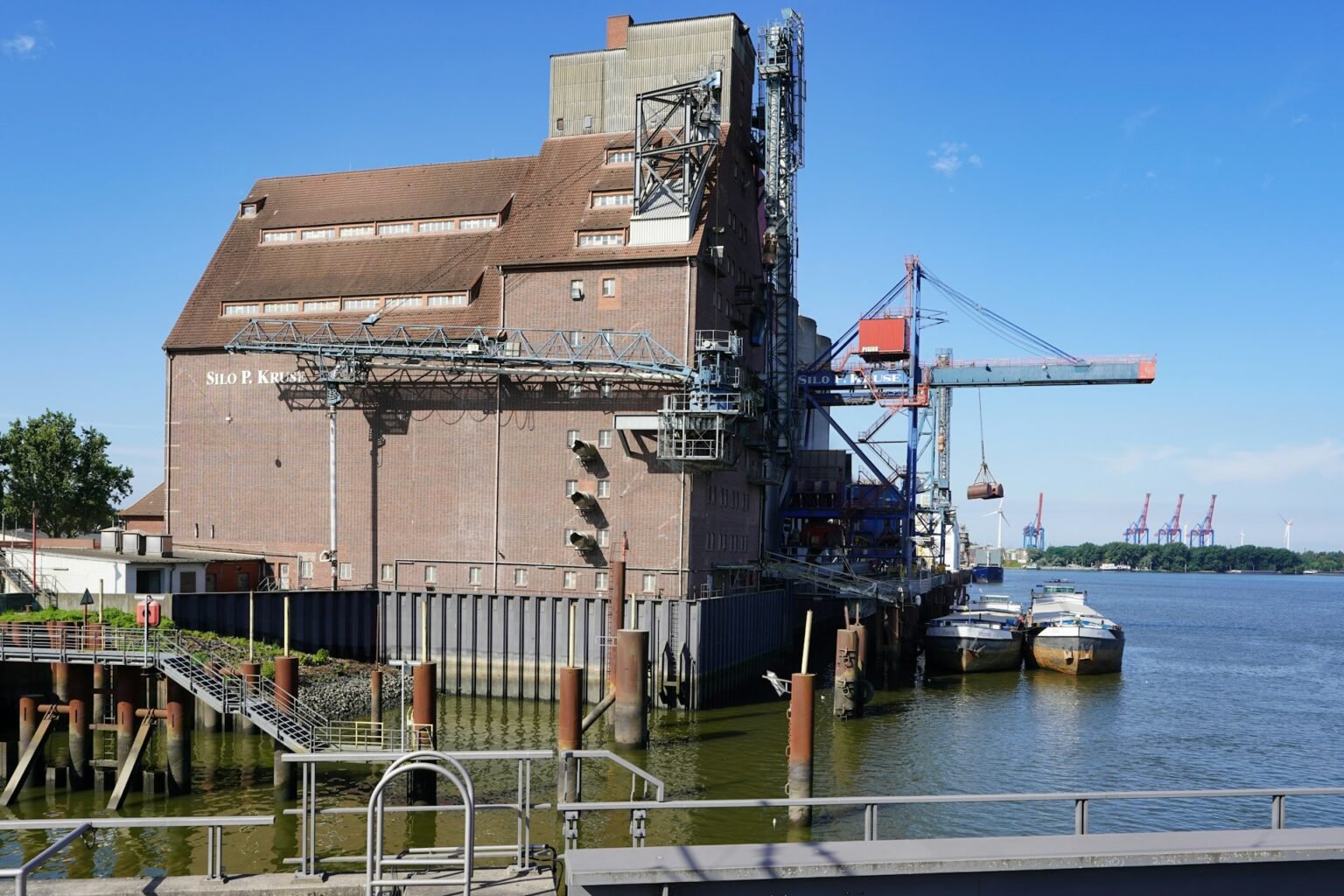
How Kolash Group Exports Brazilian Commodities: Our 8-Stage Trading Process
Every Kolash Group transaction follows the same documented path — from your first requirement to supplier sourcing, contract, independent inspection, port loading, export documents and delivery. You always know what happens next, what we need from you and what you will receive.
A Structured Way to Buy from Brazil
How does Kolash Group work?
Kolash Group works in eight stages: (1) we review your requirement, (2) source and qualify Brazilian suppliers, (3) send a written offer, (4) sign a contract with agreed specifications and payment terms, (5) coordinate independent quality inspection, (6) manage inland transport and port loading, (7) prepare export documents and ship, and (8) follow the cargo to delivery and settlement.
International buyers tell us the hardest part of sourcing from Brazil is not finding a product — it is getting reliable specifications, realistic shipment dates and complete documents. Our process is designed around exactly those three points.

Our 8 Stages, Explained Step by Step
For each stage you can see what happens, what we need from you and what you receive before moving on.
01
Enquiry & Requirement Review
Typically 1–3 business daysIt starts with your requirement. We check that it is complete, commercially realistic and matched to what Brazil can supply in the season you need. If anything is missing or unclear — a specification, destination port or trade term — we ask before sourcing begins, not after.
We also carry out basic buyer due diligence (company identity and destination checks) so that both sides can trade with confidence.
You provide
- Product and required specification
- Quantity, unit and delivery schedule
- Destination country and port
- Packaging and preferred trade term
- Company details and contact person
You receive
- Confirmation of the requirement and any open questions
- Feasibility feedback on season, volume and timing
02
Supplier Sourcing & Qualification
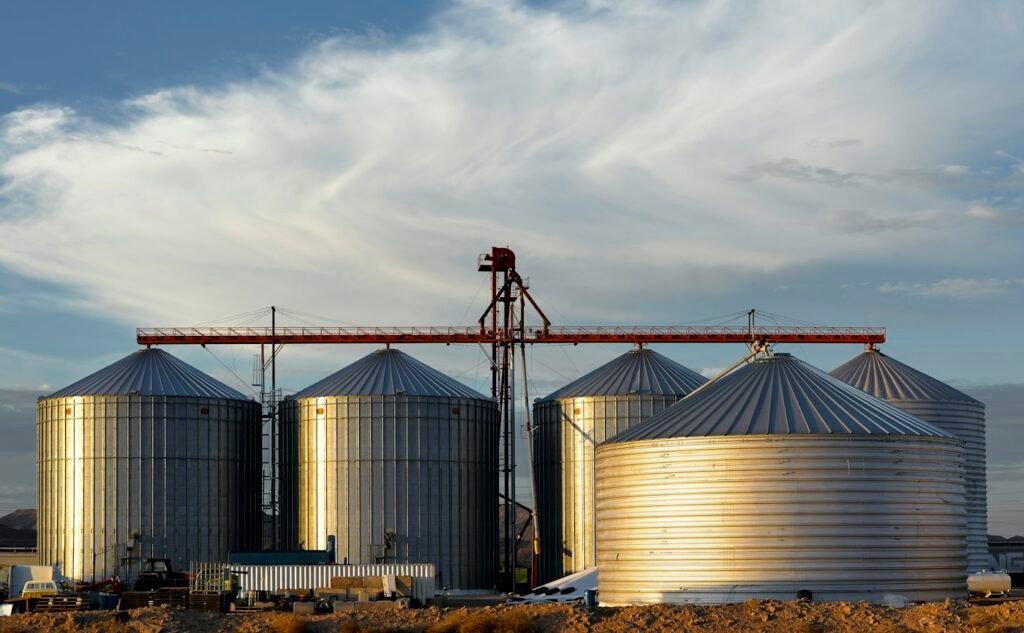
Typically 3–10 business daysWe match your requirement with Brazilian producers, cooperatives, mills, crushers and exporters that can meet the specification, volume and timing. Suppliers are qualified on documentation, export history, capacity, quality records and logistics access to the right port.
You receive
- Confirmed origin and supply availability
- Specification the supplier can guarantee
- Proposed loading port and shipment window
03
Written Offer & Negotiation
Offer validity set per market conditionsYou receive a clear written offer — never a vague price list. Commodity prices move with international markets (for example Chicago CBOT for soy and corn, ICE for sugar and coffee) and with the Brazilian real, so each offer states how long it is valid. We then negotiate volume, timing, price basis and terms with you directly.
Every offer states
- Product, origin and specification
- Quantity and tolerance (e.g. ±5% or ±10%)
- Price, currency and Incoterm® with named port
- Packaging and shipment period
- Inspection, payment terms and offer validity
04
Contract & Payment Terms
Typically 3–10 business daysOnce the offer is accepted, everything agreed is written into a sales contract: specification with rejection limits, quantity, price, Incoterms® 2020 term, shipment period, inspection company, documents list and payment method. Nothing that matters is left to verbal agreement.
Payment methods are agreed case by case and commonly include an irrevocable documentary letter of credit (L/C), cash against documents (CAD) or telegraphic transfer (TT), depending on the buyer, volume and destination.
Contract covers
- Specification and analysis methods
- Quantity, tolerance and shipment period
- Incoterm® and named port
- Inspection company and final certificates
- Full export documents list
- Payment method and deadlines
05
Pre-Shipment Quality & Independent Inspection
During preparation and at loadingQuality is controlled against the contract, not against promises. Samples are taken and analysed, and an internationally recognised inspection company agreed in the contract — such as SGS, Bureau Veritas, Intertek or Cotecna — checks quality and weight at loading and issues the certificates used for payment.
You receive
- Pre-shipment analysis results where available
- Independent quality and weight certificates
- Loading photos and inspection reports

06
Inland Logistics & Port Operations
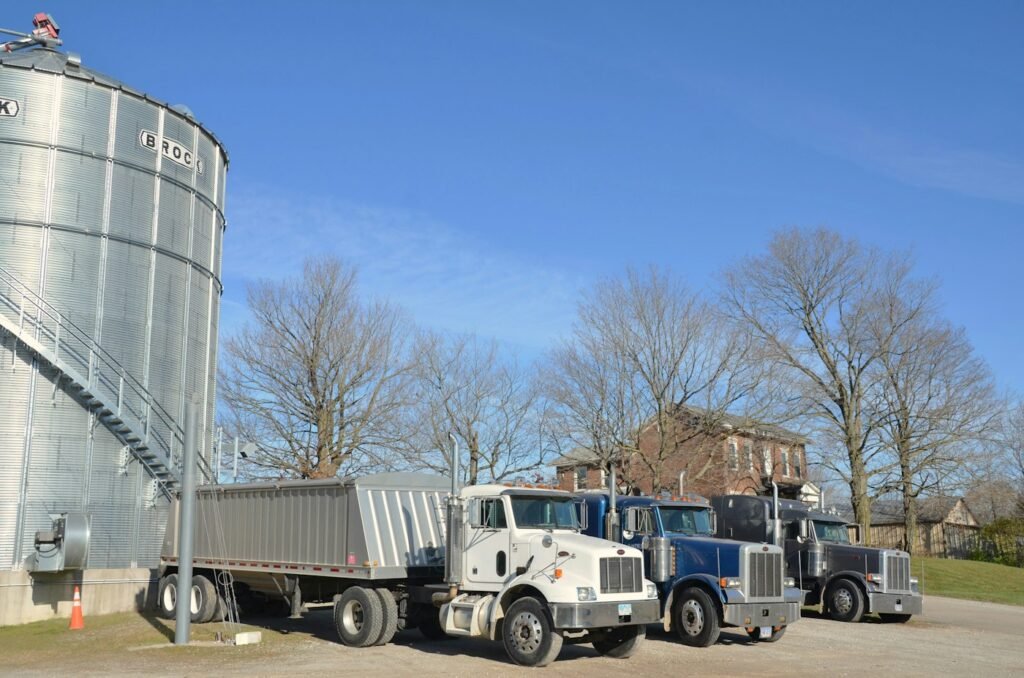
Typically 1–4 weeks before sailingWe coordinate the cargo’s journey from the supplier’s warehouse or silo to the export terminal by truck, rail or barge, then work with terminals, freight forwarders, shipping lines and customs brokers to secure vessel or container space and the loading slot.
We coordinate
- Inland transport to the export port
- Terminal booking and vessel / container space
- Brazilian export customs clearance
- Loading supervision and draft survey (bulk)
07
Export Documentation & Shipment
At loading and immediately after sailingDocuments are where many commodity shipments are delayed. We prepare and check the full documents set against the contract and your import requirements — including the bill of lading, phytosanitary certificate issued by Brazil’s Ministry of Agriculture (MAPA), certificate of origin and inspection certificates — before presenting them for payment.
You receive
- Draft documents for review before release
- Vessel name, B/L date and ETA
- Complete original documents set as agreed
08
Delivery, Settlement & Follow-Up
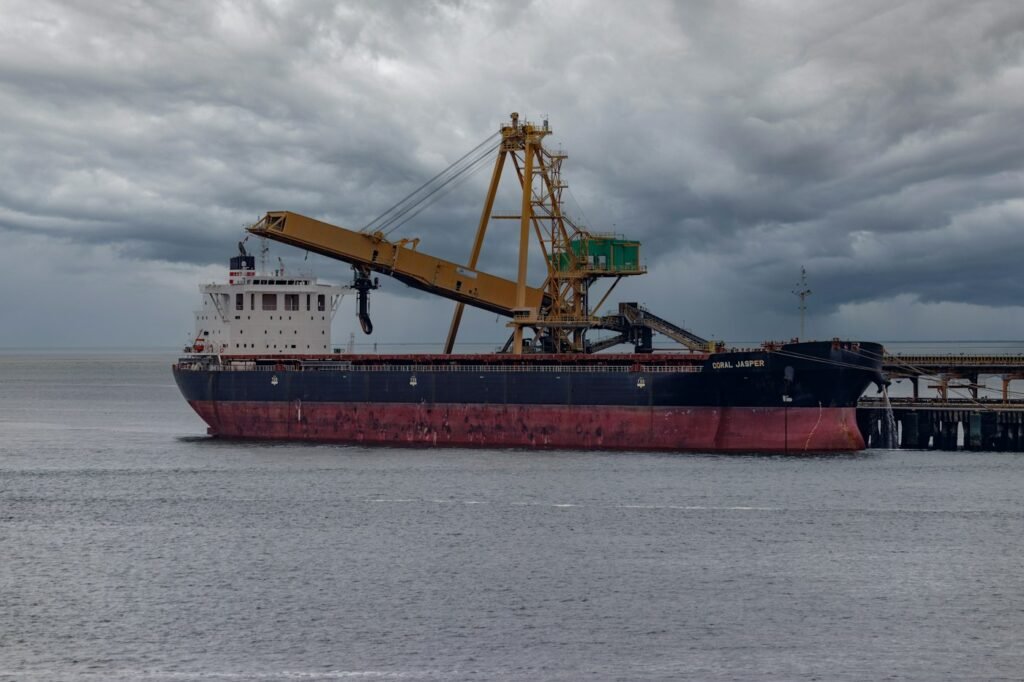
Until discharge — and beyondWe track the vessel or containers to the destination port and keep you informed of any change to the ETA. After discharge we close the transaction — documents, payment and any quality or weight questions — and review it with you, so the next shipment is faster and smoother.
You receive
- ETA updates during ocean transit
- Support with documents for import clearance
- A post-shipment review and plan for repeat orders
How Long Does a Shipment from Brazil Take?
A first shipment typically takes about 8 to 16 weeks from enquiry to arrival, depending on commodity, season, volume, payment method, port congestion and destination.
| Destination region | Example ports | Approx. ocean transit from Santos* |
|---|---|---|
| Europe | Rotterdam, Hamburg, Antwerp, Valencia | ≈ 14–22 days |
| Africa | Lagos, Tema, Casablanca, Algiers, Durban | ≈ 14–25 days |
| Middle East | Jebel Ali, Dammam, Jeddah, Aqaba | ≈ 25–40 days |
| North America | New York / New Jersey, Savannah, Houston | ≈ 14–22 days |
*Indicative only. Actual transit depends on vessel type, route, transshipment, weather and port calls, and is confirmed for each shipment.
What We Need to Prepare Your Offer
The more complete your requirement, the faster and more accurate our offer. Use this checklist before you submit a quote request.
- Product and grade / specification
- Quantity per shipment and per year
- Destination country and port
- Trade term: FOB, CFR or CIF
- Packaging: bulk, bags, big bags, containers
- Shipment period or delivery schedule
- Import requirements (certificates, labelling)
- Preferred payment method
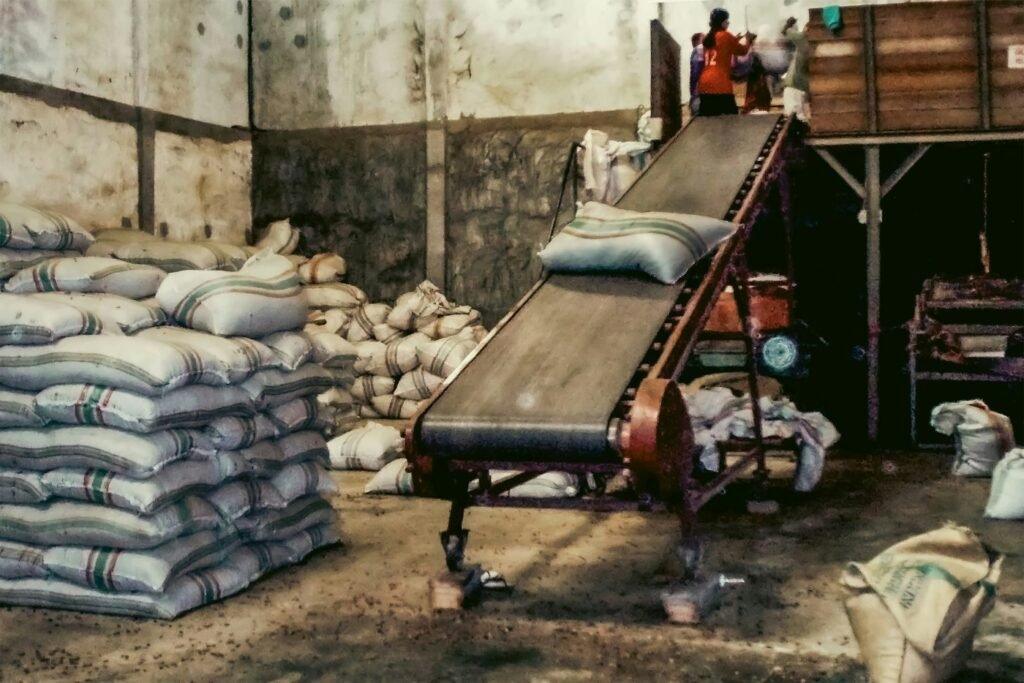
FOB, CFR or CIF: Who Is Responsible for What?
We mostly trade on three sea-freight Incoterms®. Under all three, risk passes to the buyer once the goods are loaded on board the vessel in Brazil — the difference is who arranges and pays for freight and insurance.
| Responsibility | FOB Free On Board | CFR Cost and Freight | CIF Cost, Insurance & Freight |
|---|---|---|---|
| Supply, quality & export customs in Brazil | Seller | Seller | Seller |
| Inland transport & loading on vessel | Seller | Seller | Seller |
| Ocean freight booking & cost | Buyer | Seller | Seller |
| Cargo insurance during transit | Buyer (optional) | Buyer (optional) | Seller (minimum cover) |
| Risk transfer point | On board, Brazilian port | On board, Brazilian port | On board, Brazilian port |
| Import clearance & duties | Buyer | Buyer | Buyer |
| Best for | Buyers with their own freight contracts | Buyers wanting delivered freight, own insurance | Buyers wanting freight and insurance arranged |
Incoterms® is a registered trademark of the International Chamber of Commerce. Other terms can be discussed case by case.
6 Quality Checkpoints Built into Every Shipment
Quality is not one test at the end. It is controlled at six points, each documented and tied back to the contract.
Specification agreement
Parameters, tolerances and analysis methods are fixed in the contract before anything is produced or loaded.
Supplier verification
The supplier’s capability and quality records are checked against your specification during sourcing.
Pre-shipment sampling
Representative samples are taken from the lot and analysed before it moves to the port.
Independent inspection
An agreed international surveyor inspects quality and quantity at loading and issues certificates.
Loading supervision
Hold or container cleanliness, loading and weight (draft survey or weighing) are supervised and recorded.
Document cross-check
Certificates, B/L and invoices are checked against the contract and L/C terms before release.
Export Documents We Coordinate for Brazilian Shipments
The exact set depends on the commodity, destination and contract. These are the documents most commonly required for agricultural exports from Brazil.
| Document | Purpose | Issued by | When required |
|---|---|---|---|
| Commercial invoice | States goods, quantity, price and terms for payment and customs | Seller / exporter | Always |
| Bill of lading (B/L) | Receipt of cargo, contract of carriage and document of title | Shipping line / carrier | Always (sea freight) |
| Packing list | Details packaging, marks, number of bags or containers | Seller / exporter | Bagged and containerised cargo |
| Phytosanitary certificate | Confirms plant products meet the importing country’s plant-health rules | MAPA – Brazil’s Ministry of Agriculture | Most grains, beans and plant products |
| Certificate of origin | Proves Brazilian origin, often for tariff preferences | Authorised chamber / trade body | When required by buyer or destination |
| Quality & weight certificates | Independent confirmation of specification and quantity at loading | Inspection company (e.g. SGS, BV) | As agreed in contract |
| Fumigation certificate | Confirms pest treatment of cargo or holds | Licensed fumigation company | When required by destination |
| Insurance certificate | Evidence of cargo insurance cover during transit | Insurer | CIF contracts |
| Health / sanitary, halal or non-GMO certificates | Food-safety, religious or GMO status requirements | Competent authority or accredited body | Only when required and available |
Brazil Harvest Calendar for Our Commodities
Timing your purchase around Brazil’s harvest helps with availability and price. Use this calendar as a planning guide; exact timing varies by region and year.
| Commodity | Jan | Feb | Mar | Apr | May | Jun | Jul | Aug | Sep | Oct | Nov | Dec |
|---|---|---|---|---|---|---|---|---|---|---|---|---|
| Soybeans | ||||||||||||
| Corn (1st & 2nd crop) | ||||||||||||
| Sugar (Centre-South) | ||||||||||||
| Coffee | ||||||||||||
| Oranges | ||||||||||||
| Rice (South) | ||||||||||||
| Wheat (South) | ||||||||||||
| Vegetable oils (crushing) |
Sources: general crop calendars published by CONAB (Brazil’s National Supply Company) and the USDA Foreign Agricultural Service. Corn: 1st (summer) crop Jan–Apr; 2nd crop (“safrinha”), which supplies most exports, Jun–Sep. Many commodities are exported all year from stored stocks.
Brazilian Export Ports We Ship From
The loading port is chosen for each contract based on where the supply is, the commodity, vessel size and destination.
Port of Santos
Brazil’s largest port; major outlet for sugar, soybeans, corn, coffee, orange juice and containers.
Paranaguá
Key port for soybeans, soybean meal, corn and vegetable oils from southern and central Brazil.
Rio Grande
Main outlet for southern Brazil’s soybeans, rice and wheat.
São Francisco do Sul
Grain and soy complex exports, plus container cargo from the South.
Itaqui (São Luís)
Growing outlet for soybeans and corn from Brazil’s northeast and Matopiba frontier.
Arco Norte terminals
Barcarena (Vila do Conde), Santarém and Itacoatiara — northern grain corridor closer to Europe and North America.
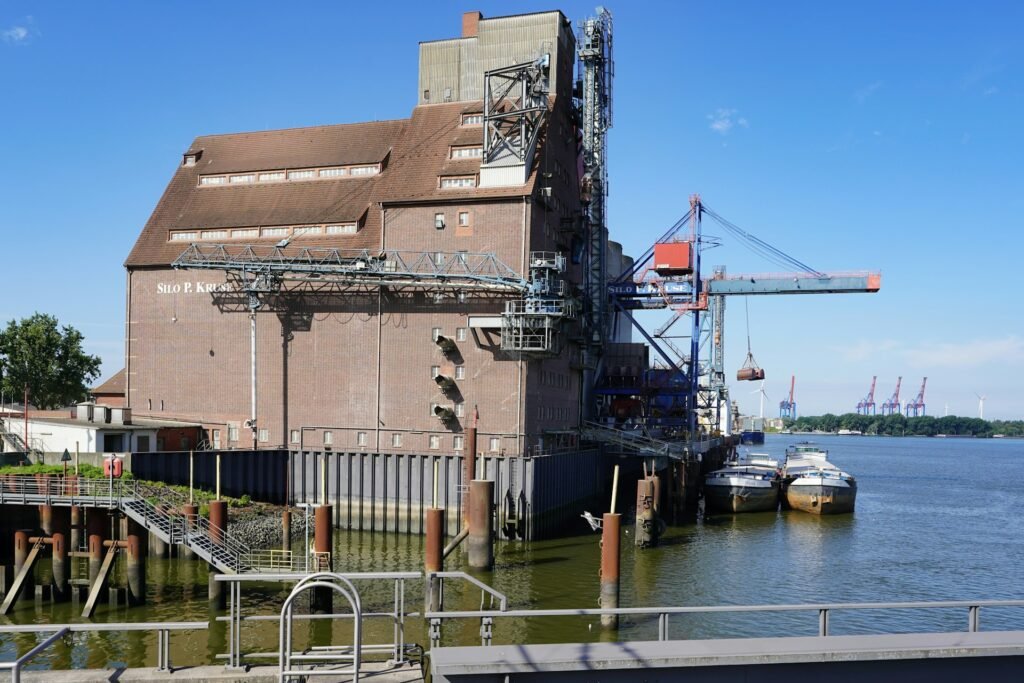
How Your Cargo Can Be Shipped
Bulk vessel
For large grain, soy and sugar volumes — Handysize, Supramax or Panamax depending on quantity and port.
Containers (20′ / 40′)
For smaller lots, bagged cargo, coffee and specialty grades; bulk with liner bags possible.
Bags & big bags
Typical 25 kg or 50 kg bags and 1-tonne big bags, with buyer labelling where agreed.
Flexitanks & ISO tanks
For vegetable oils and liquid products; orange juice in specialised tankers or drums.
Clear Responsibilities Across the Transaction
Commodity deals involve many parties. This matrix shows who leads (●) and who supports (○) each activity in a typical CFR or CIF transaction.
| Activity | Buyer | Kolash Group | Brazilian supplier | Inspector / carrier |
|---|---|---|---|---|
| Define requirement & import rules | ||||
| Source & qualify supply | ||||
| Offer, negotiation & contract | ||||
| Open payment instrument (e.g. L/C) | ||||
| Produce / prepare the lot | ||||
| Quality & weight inspection | ||||
| Inland transport, booking & loading | ||||
| Export documents | ||||
| Ocean transport | ||||
| Import clearance & discharge |
How We Reduce Risk and Keep You Informed
Commodity trading carries real risks — price moves, weather, port congestion and documentary errors. We cannot remove them, but our process is built to manage them openly.
Risk controls
- Specifications, tolerances and penalties defined in the contract
- Independent third-party inspection at loading
- Secure, document-based payment methods where possible
- Know-your-customer and sanctions checks on counterparties
- Realistic shipment windows based on harvest and port line-ups
- Early warning and alternatives if a delay occurs
Your milestone updates
- Contract signed and payment instrument confirmed
- Lot ready and pre-shipment analysis
- Cargo at port and loading started
- Loading completed – B/L date, quantity and certificates
- Draft documents for your review, then originals dispatched
- Vessel ETA updates until discharge
What Makes Working with Kolash Group Different
Everything in writing
Offers, specifications and terms are documented before you commit.
One accountable contact
A single Kolash contact follows your shipment from enquiry to discharge.
On the ground in Brazil
Based in São Paulo, close to suppliers, inspectors and the Port of Santos.
Multilingual support
Communication in English, Portuguese, French, Spanish and Arabic.
Questions About How We Work
What is the process for buying agricultural commodities from Brazil through Kolash Group?
The process has eight stages: requirement review, supplier sourcing and qualification, written offer and negotiation, contract and payment terms, pre-shipment quality and independent inspection, inland logistics and port loading, export documentation and shipment, and delivery, settlement and follow-up.
How long does it take to receive a shipment from Brazil?
A first shipment typically takes about 8 to 16 weeks from enquiry to arrival. Ocean transit from Santos is roughly 2–3 weeks to Europe, Africa or North America and 4–6 weeks to the Middle East. Exact timing depends on commodity, season, volume, payment method and port conditions.
What information do I need to request a quote?
Product and specification, quantity, destination country and port, packaging, preferred trade term (FOB, CFR or CIF), shipment period, any import certificate requirements and your company details. You can submit these through our Request a Quote form.
Which trade terms does Kolash Group use?
We mainly work on FOB, CFR and CIF under Incoterms® 2020. Under all three, risk passes to the buyer once goods are loaded on board in Brazil; CFR adds ocean freight paid by the seller, and CIF adds both freight and minimum cargo insurance.
How is product quality verified before shipment?
Quality is controlled at six checkpoints: specification agreement, supplier verification, pre-shipment sampling, independent inspection at loading by an agreed surveyor such as SGS, Bureau Veritas, Intertek or Cotecna, loading supervision, and a final cross-check of certificates against the contract.
Which export documents will I receive?
Typically a commercial invoice, bill of lading, packing list (for bagged or containerised cargo), phytosanitary certificate issued by MAPA, certificate of origin, and independent quality and weight certificates, plus fumigation, insurance or other certificates when required by the contract or destination.
What payment methods are accepted?
Payment terms are agreed per contract and commonly include an irrevocable documentary letter of credit (L/C), cash against documents (CAD) or telegraphic transfer (TT). The method depends on the buyer, volume, destination and commodity.
When is the best time to buy Brazilian soybeans, corn, sugar or coffee?
Supply is usually strongest after harvest: soybeans from about February to July, second-crop corn from about July to January, Centre-South sugar from April to November and coffee from May to September. Most commodities are also available off-season from stored stocks.
Ready to Ship Brazilian Commodities to Your Port?
Send us your requirement and our São Paulo team will review it, confirm feasibility and reply with clear next steps.
Last updated: · Related: About Kolash Group · Our Services · Products